


Seeing Isn’t All or Nothing: How Low Vision Evaluations Are Changing Lives
When Clear Vision Isn’t Fully Restorable
For many patients, vision loss isn’t solved by stronger glasses, contact lenses, or surgery. Conditions like macular degeneration, advanced glaucoma, diabetic eye disease, or retinal disorders can permanently reduce vision. This is where low vision care becomes essential.
Low vision evaluations focus on what patients can still do visually, rather than what they’ve lost.
What Is a Low Vision Evaluation?
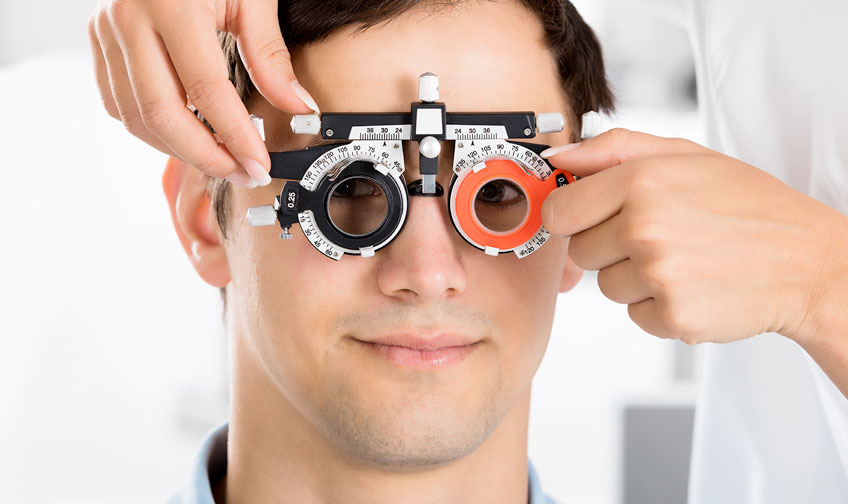
A low vision evaluation is a specialized eye exam designed for patients with reduced visual function that cannot be corrected to normal levels. The goal is to improve daily performance, independence, and quality of life.
Unlike routine eye exams, these evaluations emphasize:
Functional vision
Task-based challenges
Customized visual solutions
What Doctors Assess During a Low Vision Exam
A comprehensive low vision evaluation looks beyond the eye chart and includes:
How vision affects reading, mobility, and daily tasks
Contrast sensitivity and lighting needs
Central and peripheral vision function
Glare sensitivity
Visual endurance
Patients are encouraged to discuss specific challenges such as reading mail, using digital devices, driving concerns, or recognizing faces.
Modern Tools Used in Low Vision Care
Today’s low vision solutions go far beyond handheld magnifiers. Depending on the patient’s needs, recommendations may include:
High-powered optical magnifiers
Specialized reading glasses
Electronic magnification devices
Screen-reading and text-enlargement technology
Enhanced lighting strategies
Visual training techniques
Each plan is personalized to match the patient’s lifestyle and goals.
Who Should Consider a Low Vision Evaluation?
Low vision evaluations are ideal for patients who:
Feel frustrated despite wearing glasses
Have stopped doing activities they once enjoyed
Struggle with reading, mobility, or technology
Have progressive or permanent eye disease
Early referral to low vision care often leads to better adaptation and outcomes.
Emotional and Practical Benefits
Vision loss can impact more than eyesight—it affects confidence, independence, and mental well-being. Low vision care helps patients regain control by teaching them how to work with their vision rather than against it.
Patients often report improved confidence, productivity, and engagement after receiving proper low vision support.
Final Thoughts
Low vision does not mean the end of functional vision. With today’s technology and personalized care, many patients can continue to read, work, and enjoy daily life.
A low vision evaluation is not about fixing the eyes—it’s about empowering the person.


WHERE TO FIND US Our Locations

© 2026 Evolutionary Eye Care . All Rights Reserved. Accessibility Statement - Privacy Policy - Sitemap
Powered by:

