


Can Light Therapy Rewire Your Vision? What Most Patients Don’t Know
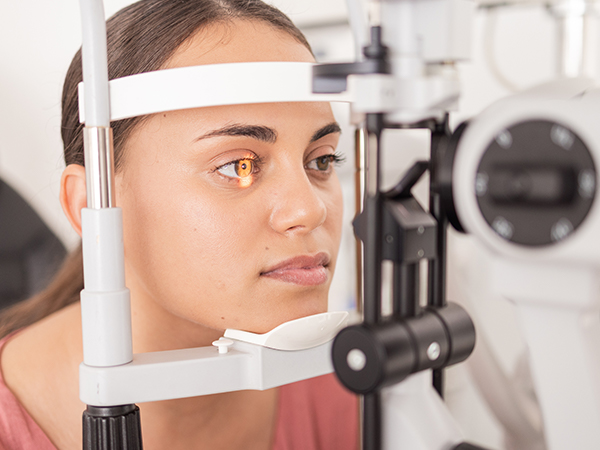
What Is Synthonics Light Therapy?
Synthonics, also known as optometric phototherapy, is a specialized form of light therapy that uses carefully selected wavelengths of light to stimulate the visual and nervous systems.
Unlike general light exposure, synthonics uses specific colors and frequencies prescribed by an optometrist to influence how the brain processes visual information.
How Light Affects Vision and the Brain
The eyes are direct extensions of the brain. Light entering the eyes doesn’t just create images—it also influences:
Autonomic nervous system balance
Visual attention and focus
Eye alignment and coordination
Emotional and physical regulation
Synthonics works by calming or activating specific neurological pathways depending on the patient’s needs.
Conditions That May Benefit from Light Therapy
Synthonics is often used alongside vision therapy and binocular vision care. It may help patients with:
Binocular vision disorders
Eye teaming and alignment problems
Visual stress and fatigue
Post-concussion visual symptoms
Developmental or learning-related vision issues
Sensory processing difficulties
What a Synthonics Session Looks Like
Treatment is simple and non-invasive. Patients typically:
Sit comfortably in a quiet room
Look at a prescribed light source through specific filters
Complete sessions lasting a few minutes
Follow a structured treatment schedule
The therapy is painless and carefully monitored by the doctor.
Why Synthonics Is Often Paired with Vision Therapy
Light therapy prepares the nervous system for change. When combined with vision therapy exercises, it can:
Improve responsiveness to therapy
Reduce visual stress
Enhance eye–brain communication
Support faster, more stable progress
This makes it a powerful tool in functional and neuro-optometric care.
Is Light Therapy Safe?
Yes—when prescribed and supervised by a trained optometrist. Synthonics uses controlled light exposure based on clinical findings, not generic or at-home light devices.
Final Thoughts
Synthonics light therapy highlights an important truth: vision care goes beyond glasses and contacts. By addressing the neurological side of vision, optometrists can help patients achieve better comfort, balance, and performance.


WHERE TO FIND US Our Locations

© 2026 Evolutionary Eye Care . All Rights Reserved. Accessibility Statement - Privacy Policy - Sitemap
Powered by:

