


Your Eyes Are Aging Faster Than You Think — Here’s How Optometrists Are Slowing It Down
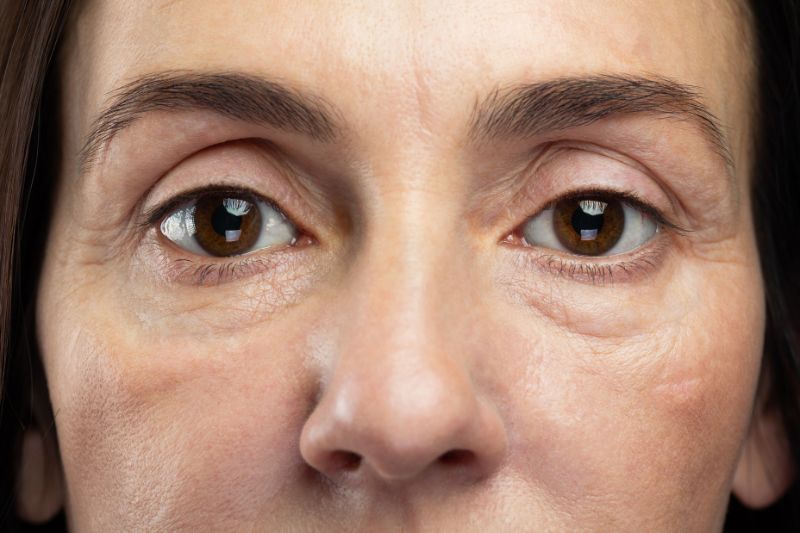
Eye Aging Is Starting Earlier Than Most People Expect
Many people associate aging eyes with reading glasses, cataracts, or retirement age. However, optometry clinics across the U.S. are seeing patients in their 20s and 30s experiencing symptoms once common decades later.
Early eye aging doesn’t happen overnight. It develops gradually, influenced by lifestyle habits, screen exposure, environmental factors, and uncorrected vision problems. The earlier these changes are identified, the more effectively they can be managed.
Common Signs of Early Eye Aging
Early eye aging can look different from person to person, but common warning signs include:
Difficulty focusing between near and far objects
Eye fatigue after short periods of reading or screen use
Frequent headaches or brow tension
Dry, irritated, or burning eyes
Increased light sensitivity
Blurry vision late in the day
Many adults dismiss these symptoms as stress or lack of sleep, delaying proper care.
What’s Driving Vision Changes at a Younger Age?
Extended Screen Exposure
Modern work and leisure rely heavily on digital devices. Prolonged near-focus activity strains eye muscles and accelerates visual fatigue.
Reduced Blink Rate
Staring at screens reduces natural blinking, contributing to dryness and surface irritation that worsens over time.
Uncorrected or Outdated Prescriptions
Even mild vision errors can force the eyes to overwork, speeding up fatigue and functional aging.
Environmental Stressors
Dry indoor air, pollution, and UV exposure can impact eye tissues and tear quality earlier than expected.
How Optometrists Help Slow Eye Aging
Eye doctors don’t just correct vision—they help preserve it. A comprehensive eye exam evaluates focusing ability, eye coordination, tear quality, and overall eye health, not just clarity.
Treatment plans may include:
Updated or specialized lens prescriptions
Computer or occupational eyewear
Dry eye management strategies
Lifestyle and ergonomic guidance
Preventive screenings for long-term eye disease
Early intervention can significantly reduce symptom progression and improve daily comfort.
Habits That Support Long-Term Eye Health
Small changes make a measurable difference over time:
Take regular visual breaks during near work
Use proper lighting and screen positioning
Stay hydrated and support tear production
Wear UV-protective eyewear outdoors
Schedule routine eye exams—even without symptoms
Eye aging may be inevitable, but accelerated eye aging doesn’t have to be.
Final Thoughts
Eye health isn’t just about seeing clearly today—it’s about protecting vision for the decades ahead. As lifestyle demands continue to change, proactive eye care is becoming essential earlier in life.
If your eyes feel tired, strained, or different than they used to, it may be time to listen. Your future vision depends on it.


WHERE TO FIND US Our Locations

© 2026 Evolutionary Eye Care . All Rights Reserved. Accessibility Statement - Privacy Policy - Sitemap
Powered by:

