


Why Your "Normal" Eye Pressure Test Might Be Lying to You.
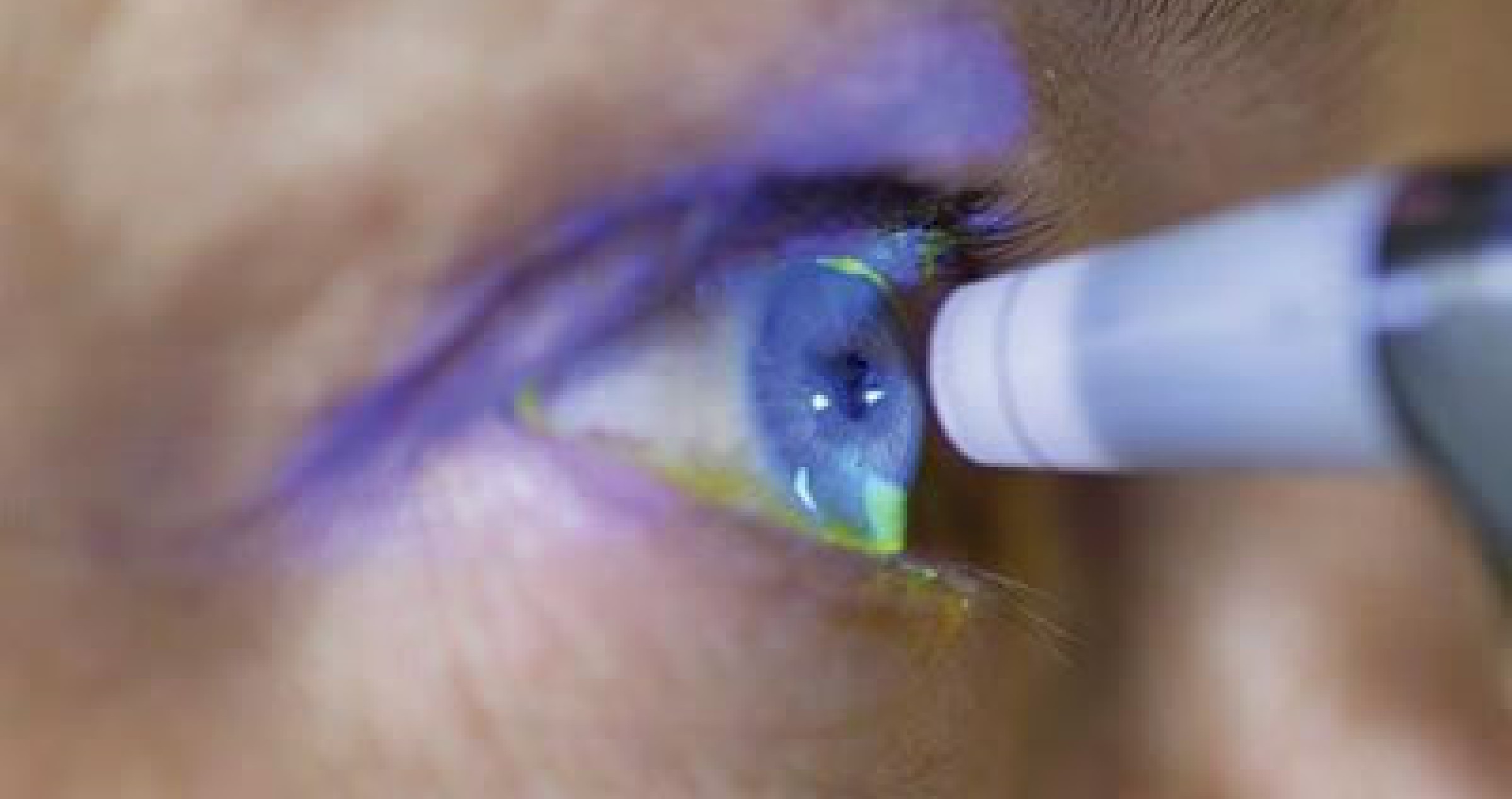
The Pressure Paradox: Why “Normal” Isn’t Always Safe
For years, the conversation around glaucoma in Downtown Houston and Sugar Land has focused on a single number: intraocular pressure (IOP).
If your pressure is below 21, you’re often told everything is “normal.”
But in reality, it’s not that simple.
At Evolutionary Eye Care, we routinely see patients with normal eye pressure who are still experiencing optic nerve damage. At the same time, some patients with higher pressure show no signs of disease.
The reason?
Your eye’s biomechanics are unique.
To truly protect your vision, we have to look beyond pressure alone—and evaluate something called corneal hysteresis.
What Is Corneal Hysteresis?
Think of two objects: a basketball and a bowling ball. Apply the same force to both, and they respond differently based on their structure.
Your eye behaves the same way.
Corneal hysteresis measures how well your eye absorbs and dissipates pressure. In simple terms, it reflects how “flexible” or “rigid” your eye tissue is.
- Low Hysteresis:
The eye is more “brittle” and less able to absorb stress. Even normal pressure levels can place strain on the optic nerve. - High Hysteresis:
The eye is more resilient and better able to tolerate pressure fluctuations without damage.
The Gold Standard: Precision Diagnostics
As a therapeutic optometry clinic, we go beyond standard testing.
We use the Ocular Response Analyzer (ORA)—a specialized device that measures corneal hysteresis and provides a more accurate understanding of your eye’s true pressure.
This allows us to determine your “true IOP”, adjusted for your eye’s unique biomechanics.
We also use Optical Coherence Tomography (OCT) to evaluate the optic nerve in microscopic detail—measuring the thickness of the nerve fiber layer down to the micron.
This means we can detect changes before vision loss occurs.
The Evolutionary Approach to Glaucoma Care
Managing glaucoma isn’t just about lowering pressure—it’s about protecting the entire visual system.
Our approach includes:
Vascular Health Assessment
We evaluate blood flow to the optic nerve. Reduced circulation can make the nerve more vulnerable, even at normal pressure levels.
Ocular Surface Support (LLLT)
Long-term glaucoma medications can cause dryness and irritation. We use Low-Level Light Therapy (LLLT) to support tear function and maintain ocular surface health.
Binocular Vision Stability
We ensure both eyes continue to work together effectively, preserving functional vision during treatment.
Medical Eye Exam vs. Routine Vision Test
A routine eye exam focuses on updating your glasses prescription.
A medical eye exam is designed to protect your long-term vision.
If you have:
• A family history of glaucoma
• Borderline or fluctuating eye pressure
• Unexplained visual changes
You don’t need a quicker exam—you need a more comprehensive one.
Why It Matters
Whether you rely on sharp focus for work or strong peripheral awareness for daily activities, your optic nerve is essential to your vision.
And glaucoma often develops silently—without noticeable symptoms until damage has already occurred.
It’s About Physics, Not Just Pressure
Glaucoma isn’t defined by a single number.
By understanding the biomechanics of your eye, we can create a personalized strategy to protect your vision for years to come.
Don’t let the “silent thief of sight” hide behind a normal reading—
true protection starts with deeper diagnostics.


WHERE TO FIND US Our Locations

© 2026 Evolutionary Eye Care . All Rights Reserved. Accessibility Statement - Privacy Policy - Sitemap
Powered by:

