


How Allergies Affect Your Eyes Year-Round
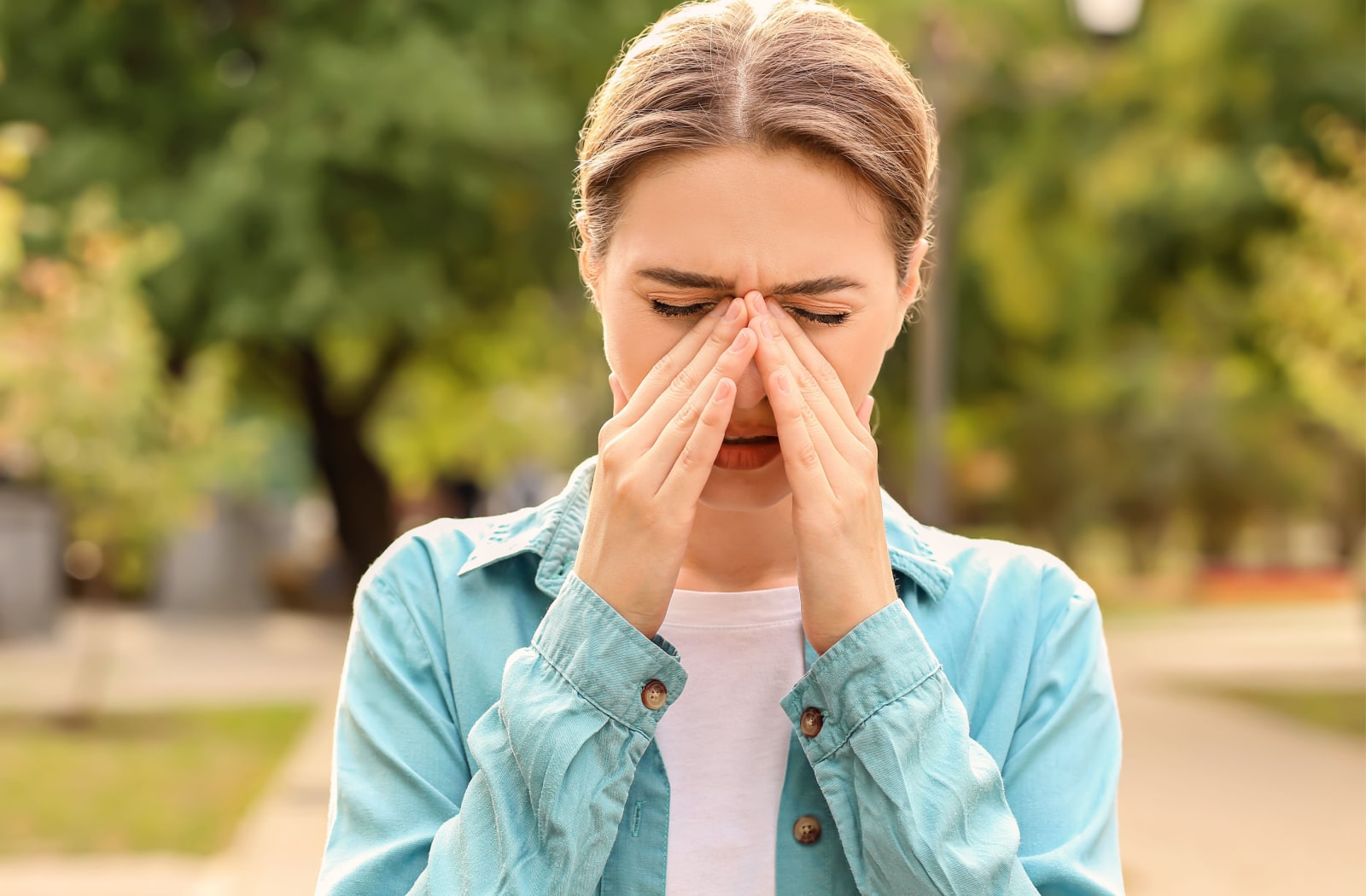
When people think of eye allergies, they picture blooming flowers and spring pollen.
But for millions, itchy, watery, or red eyes are a year-round problem.
At Evolutionary Eye Care, we often see patients surprised to learn that their ongoing eye irritation isn’t from dry eyes or screens — it’s from constant, low-level allergen exposure inside their own homes and offices.
Here’s how allergies affect your eyes no matter the season — and how to protect your vision comfort all year long.
The Science Behind Eye Allergies
Eye allergies, or allergic conjunctivitis, occur when your immune system overreacts to harmless particles like pollen, dust, or pet dander.
Your eyes release histamine, which causes:
Itching
Redness
Swelling
Watery discharge
Unlike infections, allergic eye symptoms appear bilaterally (in both eyes) and improve when triggers are removed.
Why Allergies Happen Year-Round
While spring and fall pollen get most of the blame, indoor allergens are the hidden culprits behind chronic eye irritation.
Common year-round triggers include:
Dust mites (found in bedding, carpets, upholstery)
Pet dander
Mold spores from humid areas
Fragrances and cleaning chemicals
Indoor air pollution from HVAC systems
Even changes in humidity or temperature can cause your eyes to release histamine, especially if your tear film is already unstable.
Why Indoor Air Quality Matters
Modern lifestyles mean we spend 90% of our time indoors, where air circulation often traps allergens.
Poor ventilation and dust buildup in air conditioning systems make the eyes constantly exposed to irritants.
💡 Tip: Use HEPA filters, clean air vents regularly, and maintain humidity between 40–50% to reduce airborne allergens and dryness.
Contact Lenses and Allergies: A Tough Combo
Contact lenses can act like sponges, trapping allergens against your eyes and worsening inflammation.
If you wear lenses and struggle with allergies:
✅ Switch to daily disposables to avoid allergen buildup.
✅ Use preservative-free rewetting drops.
✅ Take lens breaks during high-allergen days.
At Evolutionary Eye Care, we can help you select lens materials designed to resist deposits and maintain comfort year-round.
Best Treatments for Year-Round Eye Allergies
There’s no one-size-fits-all fix — but combining prevention with proper care can make a huge difference.
👁️ Our top recommendations:
Antihistamine-mast cell stabilizer drops (e.g., olopatadine or ketotifen)
Cold compresses for instant relief
Artificial tears to flush out allergens
Oral antihistamines (only if dryness isn’t a major issue)
Prescription therapy for chronic allergic conjunctivitis
For severe or persistent symptoms, in-office treatments like meibomian gland expression or light-based therapy (IPL/IRPL) can reduce inflammation and restore tear stability.
When to See an Eye Doctor
It’s time for a professional evaluation if you notice:
Eye itching that doesn’t go away
Redness or swelling around the eyelids
Watery eyes with blurry vision
Sensitivity to light or morning irritation
At Evolutionary Eye Care, we’ll determine whether your symptoms stem from allergies, dry eye, or both — and personalize your care for long-lasting relief.


WHERE TO FIND US Our Locations

© 2026 Evolutionary Eye Care . All Rights Reserved. Accessibility Statement - Privacy Policy - Sitemap
Powered by:

