


Thinking About LASIK? Here’s What Most Patients Aren’t Told
LASIK Isn’t New—But Our Understanding Has Evolved
LASIK has been performed for decades and remains one of the most well-known vision correction procedures. While technology has improved dramatically, misconceptions still exist about who is truly a good candidate and what LASIK can realistically achieve.
Modern optometry plays a critical role in helping patients navigate these decisions safely.
What LASIK Is Designed to Do
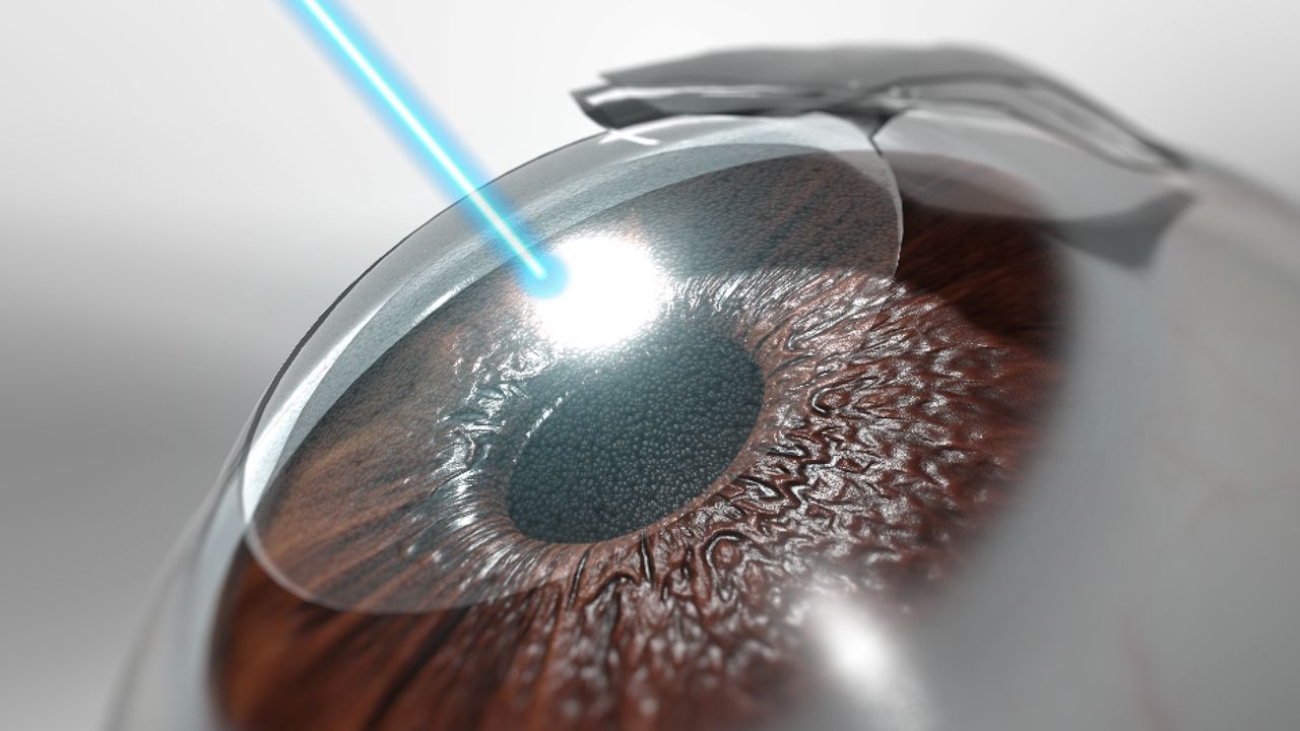
LASIK reshapes the cornea to reduce refractive errors such as nearsightedness, farsightedness, and astigmatism. The goal is to improve uncorrected vision and reduce dependence on glasses or contact lenses.
However, LASIK does not stop natural aging of the eyes or prevent future eye disease.
Who Tends to Be a Good LASIK Candidate
Patients who typically do well with LASIK include those who:
Have a stable prescription for at least one year
Have healthy corneas with adequate thickness
Do not have significant dry eye disease
Have realistic expectations about outcomes
Are free from certain eye diseases or autoimmune conditions
A comprehensive pre-surgical evaluation is essential before moving forward.
When LASIK May Not Be the Best Choice
LASIK may not be recommended for individuals who:
Have thin or irregular corneas
Experience moderate to severe dry eye symptoms
Have keratoconus or corneal instability
Are pregnant or nursing
Expect permanent perfect vision at all distances
In these cases, alternative vision correction options may offer safer or more predictable results.
The Role of the Optometrist Before and After LASIK
Optometrists are often the first to identify whether LASIK is appropriate. They evaluate corneal health, tear quality, and overall visual function before referral.
After surgery, optometrists manage follow-up care, monitor healing, address dryness or glare symptoms, and ensure long-term eye health.
Life After LASIK: What Patients Should Expect
Many patients enjoy clearer distance vision, but LASIK does not prevent presbyopia—the age-related need for reading glasses. Vision may also change gradually over time.
Understanding these realities helps patients feel satisfied rather than surprised years later.
Alternatives Worth Discussing
For patients who are not ideal LASIK candidates, other options may include:
Specialty contact lenses
Orthokeratology
Prescription eyewear optimized for lifestyle needs
Other refractive procedures
A personalized approach ensures safety and long-term success.
Final Thoughts
LASIK can be an excellent option for the right patient, but success starts with proper evaluation and honest expectations. Modern optometry emphasizes education, safety, and individualized care—before any surgical decision is made.
Choosing vision correction should be about what’s best for your eyes, not just what’s most popular.


WHERE TO FIND US Our Locations

© 2026 Evolutionary Eye Care . All Rights Reserved. Accessibility Statement - Privacy Policy - Sitemap
Powered by:

