
Why Your LASIK "Success" Still Feels Like a Failure (And the Fix for the Burn)
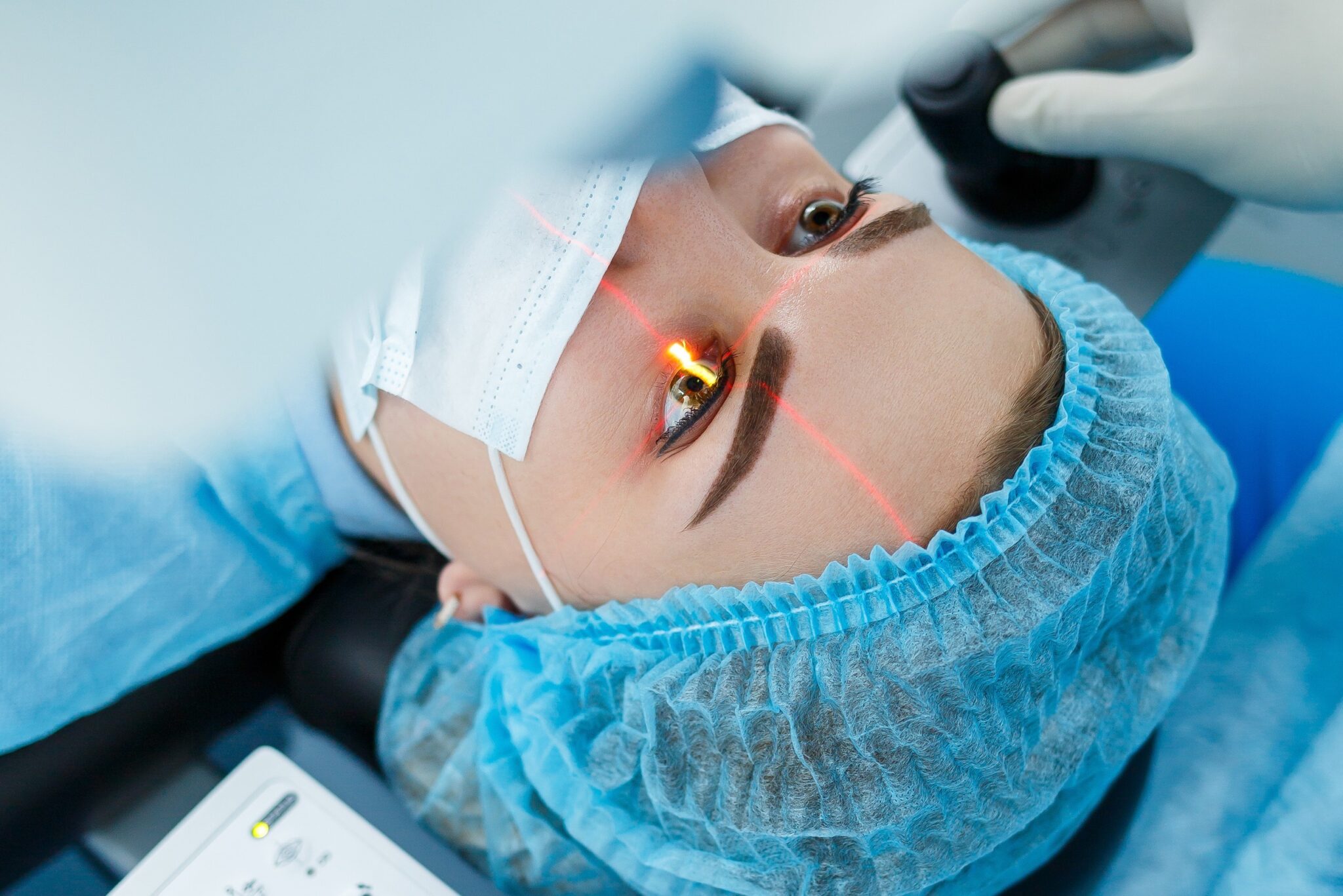
When the “Perfect” Result Fades: Understanding Post-LASIK Vision Problems
For many patients in Downtown Houston and Sugar Land, LASIK was life-changing—offering freedom from glasses and clear vision for years.
But for some, that “honeymoon phase” fades. Symptoms like burning, fluctuating vision, or night-time halos and starbursts can begin to appear.
At Evolutionary Eye Care, we specialize in treating the post-surgical cornea. Whether you had LASIK, PRK, or RK—even decades ago—these procedures permanently change the eye. When issues arise, standard treatments often aren’t enough.
The “Nerve” Issue: Post-LASIK Dry Eye
During LASIK, corneal nerves are temporarily disrupted. While they typically heal, in some cases they may not fully recover.
Common Symptom:
A persistent “sandpaper” or burning sensation—even with frequent use of eye drops.
What’s Really Happening:
This may be corneal neuralgia, where the discomfort originates from the nerves rather than surface dryness alone.
The “Shape” Issue: Corneal Ectasia & Regression
Years after surgery, the cornea can sometimes weaken or change shape.
Common Symptom:
Blurry or unstable vision that doesn’t improve with glasses or soft contact lenses.
What’s Really Happening:
An irregular corneal surface causes light to scatter, reducing visual clarity.
The Evolutionary Approach: Restoring Comfort & Clarity
We take a targeted, medical approach to address both structure and surface health:
Scleral Lenses
These advanced lenses vault over the cornea, creating a smooth optical surface while holding a layer of fluid against the eye.
Benefits:
• Immediate relief from dryness
• Improved visual clarity
• Reduction in glare, halos, and starbursts
Low-Level Light Therapy (LLLT)
Many post-LASIK patients also have Meibomian Gland Dysfunction (MGD).
LLLT helps:
• Reduce inflammation
• Improve oil gland function
• Enhance tear stability
Why a Medical Eye Exam Matters
Post-surgical eyes require more than a routine vision test.
At Evolutionary Eye Care, we use:
• 3D corneal topography to map your eye’s surface
• Comprehensive binocular vision testing
• Customized treatment plans tailored to your surgical history
Standard soft lenses often conform to the irregular cornea—sometimes worsening symptoms. Our goal is to correct the underlying issue, not just mask it.
Protecting Your Lifestyle
Whether you’re working long hours or staying active, you shouldn’t have to think about your eyes all day.
Our goal is simple:
to move you from managing symptoms… to forgetting they exist.
It’s Not Too Late
If your post-LASIK experience hasn’t met your expectations, there are solutions.
Your eyes have changed—and with the right expertise and technology, comfort and clarity can be restored.
Medical evidence and important limits
For keratoconus, improving vision and slowing disease progression are different goals. Specialty lenses may improve vision; they do not stop progression. Cross-linking may be considered for progressive disease after specialist assessment. See Mayo Clinic’s treatment guidance.
Contact lenses can cause serious infection or corneal ulcers. Follow the prescribed wear and cleaning plan, avoid water exposure and keep follow-up appointments. With pain, unusual redness, light sensitivity or blurred vision, remove the lenses and seek prompt professional advice. FDA contact-lens safety guidance.
Sources for these clinical explanations
These references support the general explanations above; they do not verify practice-specific outcomes or guarantee results. This educational article is not a diagnosis or a substitute for an individual examination.
Explore your care options in Greater Houston
Read about our optometrists and their training, then contact your preferred office to confirm service availability and arrange an evaluation: Downtown Houston, Webster or Sugar Land.


