


Scleral Lenses: The Life-Changing Solution for Keratoconus and Complex Vision Needs
Introduction
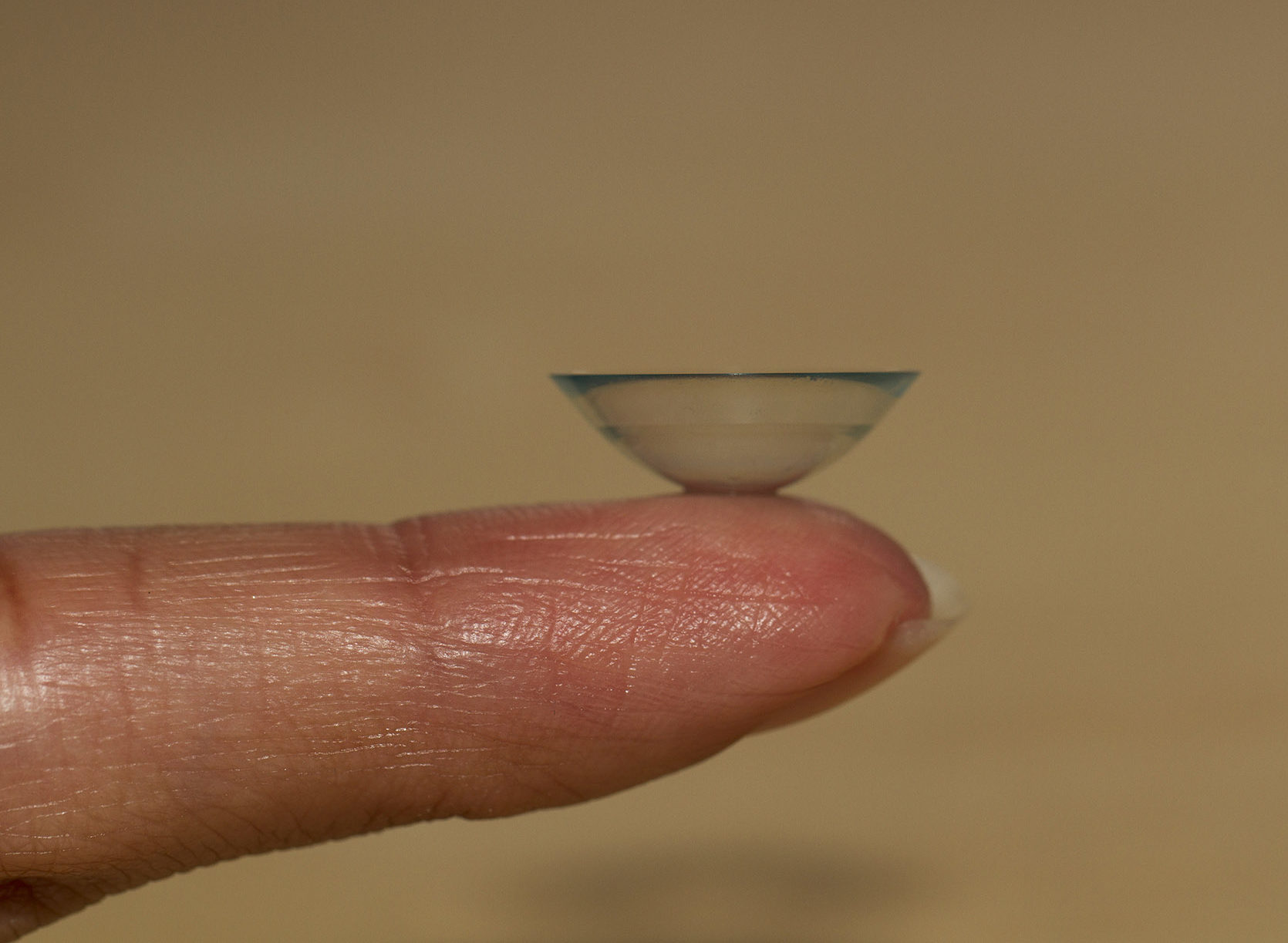
Brief explanation of what scleral lenses are
Mention their revolutionary impact on treating complex vision conditions
Highlight our clinic’s expertise in fitting these specialized lenses
Introduce the primary conditions they treat (keratoconus, dry eye, post-surgical)
What Are Scleral Lenses and How Do They Work?
Define scleral lenses (large-diameter gas permeable lenses that vault over the cornea)
Explain the “vault” design and fluid reservoir concept
Describe how they rest on the sclera (white part of the eye) rather than the cornea
Include a simple diagram or image showing the lens placement on the eye
Explain the materials used (highly oxygen-permeable)
Key Benefits of Scleral Lenses for Keratoconus Patients
Improved visual acuity by masking irregular corneal shape
Enhanced comfort compared to RGP lenses
Reduced risk of corneal scarring
Stability of vision throughout the day
Protection of the fragile cornea
Reduced symptoms like ghosting, glare, and light sensitivity
Ability to postpone or avoid corneal transplant surgery
Beyond Keratoconus: Other Conditions Treated with Scleral Lenses
Severe dry eye syndrome
Post-surgical corneas (transplants, LASIK complications)
Ocular surface disease
Stevens-Johnson syndrome
Graft-versus-host disease
Trauma-related corneal irregularities
High astigmatism
Patients who can’t achieve comfort with traditional lenses
Our Specialized Fitting Process: Creating Your Custom Scleral Lenses
Initial comprehensive evaluation
Advanced corneal mapping technology we use
Trial lens assessment
Customization process
Follow-up care and adjustments
Training on insertion, removal, and care
Scleral Lenses vs. Traditional Contact Lenses: Understanding the Differences
Size comparison
Comfort differences
Visual quality comparison
Durability and longevity
Cost considerations
Adaptation period
Maintenance requirements
Patient Success Stories: Life-Changing Results with Scleral Lenses
2-3 brief anonymized patient stories highlighting dramatic improvements
Include quotes about quality of life improvements
Mention specific activities patients can now enjoy
Before/after visual acuity improvements
Caring for Your Scleral Lenses: Tips for Long-Term Success
Proper cleaning solutions
Insertion and removal techniques
Storage recommendations
Signs that adjustment may be needed
Recommended replacement schedule
Importance of regular follow-up appointments


WHERE TO FIND US Our Locations

© 2026 Evolutionary Eye Care . All Rights Reserved. Accessibility Statement - Privacy Policy - Sitemap
Powered by:

