


20/20 Vision But Still Struggling? Your Eyes May Not Be the Problem
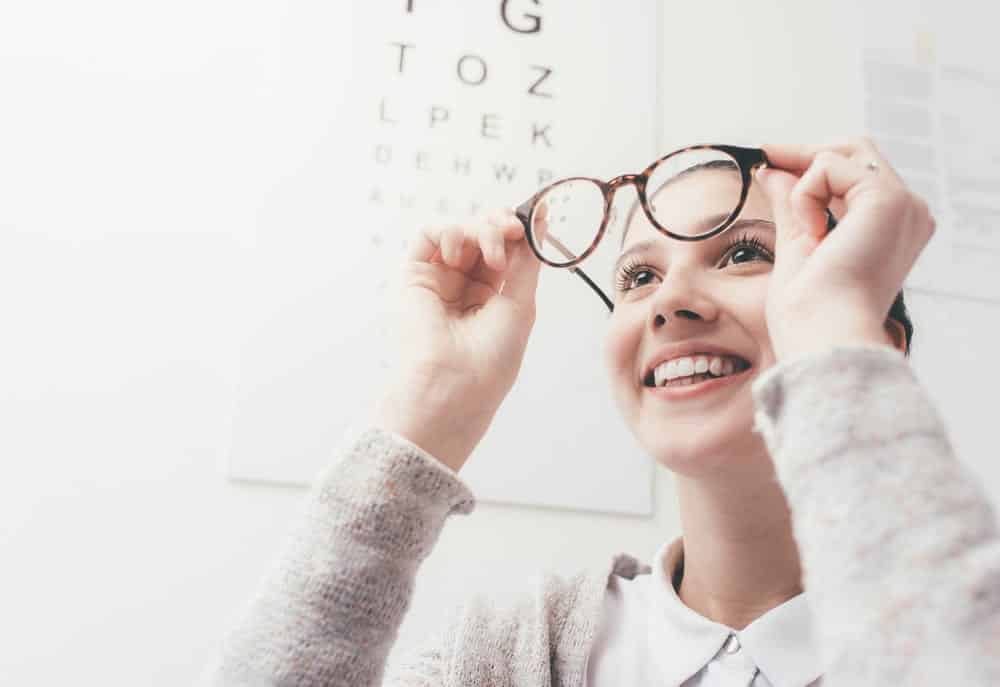
What Is Vision Therapy?
Vision therapy is a customized, doctor-supervised program designed to improve how the eyes, brain, and visual system work together. Unlike glasses or contact lenses—which correct eyesight—vision therapy focuses on how vision functions.
It targets skills such as eye coordination, focusing, tracking, depth perception, and visual processing.
Why 20/20 Vision Isn’t the Whole Story
Many patients pass standard eye charts yet still experience visual struggles. That’s because visual clarity and visual function are not the same.
Vision therapy addresses problems that often go undetected in routine exams, including:
Eye teaming issues
Poor focusing stamina
Difficulty tracking words or objects
Visual discomfort with screens
Reduced depth perception
Who Can Benefit from Vision Therapy?
Vision therapy is effective for both children and adults. Common candidates include:
Children with reading or learning difficulties
Students with attention or visual fatigue issues
Athletes seeking performance enhancement
Adults with eye strain or double vision
Patients recovering from concussions or neurological injury
Age is not a limitation—the brain remains adaptable throughout life.
What Happens During Vision Therapy?
Each program is personalized and based on a comprehensive binocular vision evaluation. Therapy may include:
In-office visual exercises
Eye–brain coordination activities
Balance and visual-motor integration tasks
Home reinforcement exercises
Progress is carefully monitored and adjusted over time.
Vision Therapy and Sports Performance
Athletes rely heavily on visual reaction time, depth perception, and eye tracking. Vision therapy can enhance:
Hand–eye coordination
Reaction speed
Peripheral awareness
Visual decision-making under pressure
This makes it popular among competitive athletes at all levels.
Watch: How Vision Therapy Works
For a visual explanation of how vision therapy trains the brain–eye system, watch this overview. Think of vision therapy as a workout for your eyes. Dr. Chau breaks down how it works and why training your vision can make a real difference in everyday life:
🎥 https://www.youtube.com/watch?v=hPaJAfZ5IFc
Why Early Evaluation Matters
Left untreated, functional vision problems can lead to frustration, headaches, poor academic or work performance, and reduced quality of life. Early evaluation allows for targeted intervention before habits and symptoms worsen.
Final Thoughts
Vision therapy goes beyond seeing clearly—it helps people see comfortably, efficiently, and confidently. When vision problems interfere with learning, work, or performance, training the visual system can be life-changing.


WHERE TO FIND US Our Locations

© 2026 Evolutionary Eye Care . All Rights Reserved. Accessibility Statement - Privacy Policy - Sitemap
Powered by:

