


Why Your Eyes Twitch: The Real Causes Behind Eyelid Spasms and How to Stop Them
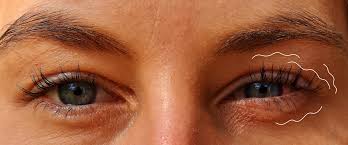
You’re reading or working, and suddenly — twitch.
Your eyelid jumps for no reason, and the more you notice it, the worse it feels.
At Evolutionary Eye Care, we hear about this all the time — and the good news is, in most cases, eye twitching is harmless and temporary.
Here’s what causes it, when it’s a sign of something more serious, and what you can do to stop it fast.
What’s Really Happening When Your Eye Twitches
The medical term for common eyelid twitching is myokymia — a small, involuntary spasm of the eyelid muscles.
It usually affects one eye at a time and lasts from a few seconds to several days.
The muscle fibers responsible for blinking (the orbicularis oculi) can misfire when they’re overstimulated or fatigued, leading to those tiny, repetitive movements you can feel but rarely see.
Top Causes of Eyelid Twitching
Stress
When your body releases stress hormones, your nervous system becomes more reactive — even tiny muscles like those around your eyes can spasm.
👉 Try deep breathing, short breaks, or a few minutes away from screens to reset.Fatigue or Lack of Sleep
Eye muscles need rest like any others. Sleep deprivation and overuse cause micro-fatigue, triggering twitching and strain.Caffeine and Stimulants
Too much coffee, energy drinks, or even chocolate can overstimulate nerve endings.
Reducing caffeine intake often calms the twitch within 48 hours.Dry Eyes
When the ocular surface dries out, your eyelid muscles work harder to blink — sometimes causing repetitive spasms.
Common in contact lens wearers or heavy screen users.Eye Strain
Prolonged screen time, reading, or focus on small objects fatigues the visual system and can irritate the muscles that control blinking.Nutrient Deficiency
Low levels of magnesium or potassium may contribute to persistent eyelid twitching.Allergies or Irritation
Rubbing itchy eyes can overstimulate muscles and nerves, leading to brief spasms.
When to Worry About an Eye Twitch
Most twitches go away within a few days — but persistent or severe twitching can sometimes point to an underlying condition.
See your optometrist or ophthalmologist if you notice:
Twitching that lasts longer than two weeks
Twitching that involves other parts of the face
Redness, swelling, or drooping eyelids
Difficulty keeping your eye open
Vision changes or double vision
In rare cases, chronic twitching may indicate blepharospasm, hemifacial spasm, or nerve irritation, which require specialized care.
Quick Fixes for Eye Twitch Relief
✅ Rest your eyes: Take 5–10 minute breaks from screens every hour.
✅ Manage stress: Try slow breathing or a short walk outside.
✅ Hydrate: Dehydration can worsen spasms — drink plenty of water.
✅ Lubricate your eyes: Use preservative-free artificial tears if dryness is a trigger.
✅ Cut caffeine: Gradually lower intake for a few days.
✅ Get quality sleep: Aim for 7–8 hours nightly.
If twitching persists, your optometrist may recommend magnesium supplements, lubricating therapy, or lifestyle adjustments to restore balance.
Long-Term Prevention Tips
Follow the 20-20-20 rule for screen breaks.
Keep proper posture and monitor distance while working.
Avoid excessive screen brightness and harsh lighting.
Blink consciously during computer use.
Protect eyes from dust and allergens.
At Evolutionary Eye Care, we emphasize a whole-body approach — combining visual ergonomics, nutrition, and stress management to prevent recurring symptoms.


WHERE TO FIND US Our Locations

© 2026 Evolutionary Eye Care . All Rights Reserved. Accessibility Statement - Privacy Policy - Sitemap
Powered by:

