


Why Workplace Eye Safety Matters More Than Ever
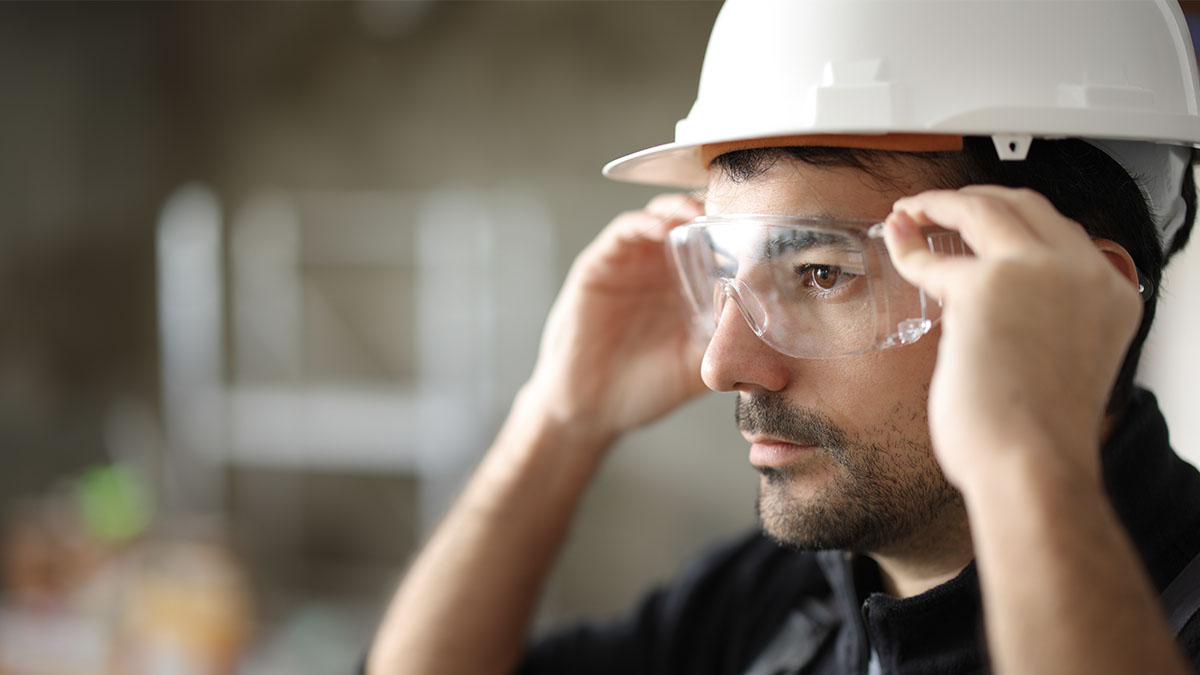
Every day across the United States, thousands of workers risk eye injuries on the job—often without realizing it. From construction sites and manufacturing floors to hospitals and offices, workplace eye hazards can cause anything from temporary irritation to permanent vision loss. The good news? Most job-related eye injuries are preventable with proper protection, awareness, and routine eye care.
This blog explores why workplace eye safety matters, common risks across industries, and how both employers and employees can protect their vision.
How Common Are Workplace Eye Injuries?
According to U.S. occupational safety data, thousands of eye injuries occur annually, leading to lost workdays, medical expenses, and long-term vision problems. Many of these injuries happen because protective eyewear was not worn—or was worn incorrectly.
Common outcomes include:
Corneal abrasions
Chemical burns
Foreign objects embedded in the eye
Long-term vision impairment
High-Risk Jobs for Eye Injuries
While any job can pose eye risks, some industries carry higher exposure:
Construction & Manufacturing
Flying debris, dust, metal fragments
Power tools and heavy machinery
Healthcare & Laboratories
Chemical splashes
Infectious fluids
High-intensity lighting and lasers
Office & Remote Work
Digital eye strain
Dry eye and headaches from prolonged screen use
Agriculture & Outdoor Work
UV exposure
Pesticides and plant debris
The Role of Protective Eyewear
Wearing the right protective eyewear can prevent up to 90% of serious eye injuries.
Look for eyewear that:
Meets ANSI Z87.1 safety standards
Is task-specific (impact-resistant, chemical splash protection, UV-blocking)
Fits comfortably to encourage consistent use
Prescription safety glasses are available for workers who need vision correction without compromising protection.
Why Regular Eye Exams Matter for Workers
Workplace hazards don’t always cause immediate symptoms. Regular comprehensive eye exams help:
Detect early signs of injury or strain
Ensure prescriptions are accurate for job demands
Identify dry eye, glare sensitivity, or vision changes
For safety-sensitive jobs, optimal vision isn’t optional—it’s essential.
Employer & Employee Responsibility
Employers Should:
Provide proper eye protection
Train staff on eye safety protocols
Encourage routine eye exams
Employees Should:
Wear protective eyewear consistently
Report eye discomfort or injuries immediately
Schedule annual eye exams
Final Thoughts
Your eyes are irreplaceable—and protecting them at work is a shared responsibility. Whether you're on a job site, in a lab, or at a desk, proactive eye safety and regular eye care can preserve vision for years to come.
If you work in a high-risk environment or experience eye strain at work, schedule a comprehensive eye exam to ensure your vision stays protected—on and off the job.


WHERE TO FIND US Our Locations

© 2026 Evolutionary Eye Care . All Rights Reserved. Accessibility Statement - Privacy Policy - Sitemap
Powered by:

