


Why a Cataract Diagnosis is Actually an Opportunity to Get Your 20-Year-Old Vision Back.
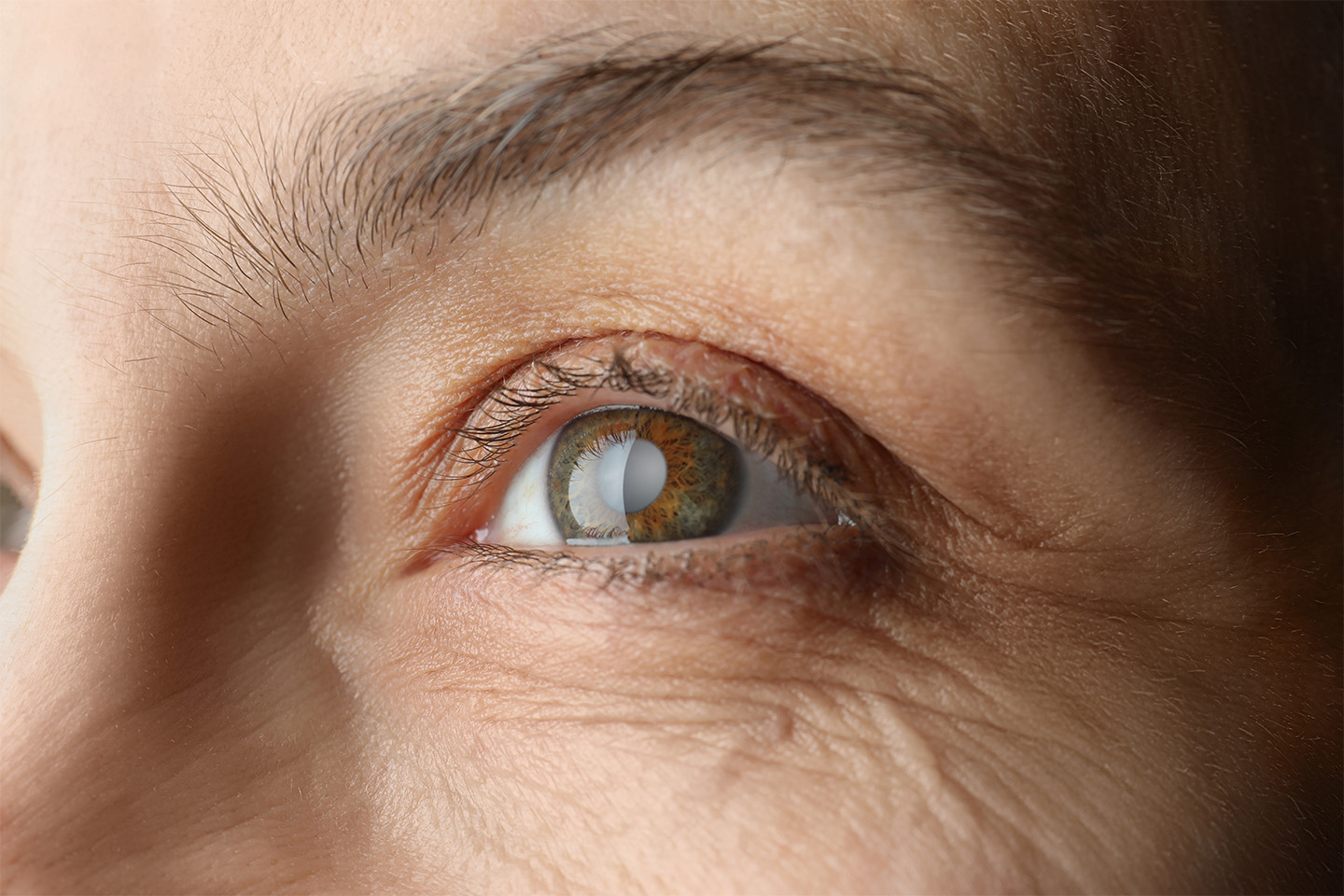
Not Your Grandmother’s Cataracts: Vision Restoration in 2026
For many people, hearing the word “cataracts” feels like a sign of aging—a slow decline in vision that simply comes with time.
But modern cataract care has changed dramatically.
In 2026, cataract treatment is no longer just about removing a cloudy lens. It’s an opportunity to upgrade how you see the world.
Whether you’re leading meetings, traveling frequently, staying active outdoors, or simply wanting to drive comfortably at night again, today’s technology offers far more than “basic” vision restoration.
What Exactly Is a Cataract?
Inside the eye is a natural lens made primarily of water and protein.
Over time, those proteins begin to break down and cluster together, causing the lens to become cloudy or yellowed.
This condition is known as a Cataract.
The changes are often gradual, but patients commonly notice:
Increased glare and halos at night
Difficulty driving after dark
Washed-out or yellowed colors
Blurry or hazy vision
The feeling of constantly looking through a dirty window
It’s not just blur—it’s a loss of visual quality.
Cataract Care Has Become Highly Personalized
Modern cataract treatment is no longer one-size-fits-all.
Today, the process begins long before surgery itself. The health and precision of the entire visual system matter—especially if you want premium visual outcomes.
At Evolutionary Eye Care, we focus on optimizing the eye before any procedure takes place.
Step One: Stabilizing the Ocular Surface
One of the most overlooked factors in cataract outcomes is dry eye.
Even the most advanced surgical lens can produce inconsistent or blurry results if the tear film is unstable.
That’s why ocular surface health comes first.
Treatments such as Low-Level Light Therapy help:
Reduce inflammation
Improve tear quality
Stabilize vision before measurements are taken
Because precision surgery requires precise measurements.
Advanced Mapping for Personalized Vision
Modern diagnostics allow us to analyze how light travels through the eye in extraordinary detail.
Wavefront and corneal imaging technologies help identify:
Higher-order aberrations
Subtle distortions in the optical system
Astigmatism and focusing irregularities
This information helps determine which lens technology may best fit your lifestyle and visual goals.
Today’s Lens Options Go Far Beyond “Basic Distance Vision”
The biggest evolution in cataract care is the variety of advanced intraocular lenses (IOLs) now available.
Extended Depth of Focus (EDOF) Lenses
Extended Depth of Focus intraocular lens
These lenses are designed to provide smoother vision across multiple distances—helpful for activities like:
Computer work
Dashboard viewing while driving
Daily tasks without constantly reaching for reading glasses
Toric Lenses
Toric intraocular lens
These lenses correct astigmatism at the time of cataract surgery, reducing dependence on glasses afterward.
Light Adjustable Lenses
Light Adjustable Lens
This newer technology allows the prescription to be fine-tuned after surgery using controlled UV light treatments.
It offers an additional level of customization that was impossible just a few years ago.
The Retina and Nervous System Matter Too
Clear optics alone don’t guarantee excellent vision.
The retina and visual processing system must also be healthy and functioning efficiently.
Comprehensive medical evaluations help assess:
Retinal health
Glaucoma risk
Optic nerve stability
Overall visual system performance
Because the quality of vision depends not only on the lens—but on how the brain and eye work together.
Recovery Is Faster—But Follow-Up Still Matters
Modern cataract recovery is remarkably efficient, with many patients noticing significant improvement within days.
But adaptation still matters.
Some patients need time for the brain to adjust to sharper, brighter, higher-definition vision—especially after years of cloudy input.
Ongoing monitoring ensures:
Stable healing
Balanced binocular vision
Comfortable adaptation to new visual clarity
Cataracts Don’t Mean Slowing Down
Today’s cataract care isn’t about “getting by.”
It’s about restoring contrast, depth, color, and confidence in daily life.
Patients often describe:
Brighter colors
Sharper night vision
Reduced glare
Greater visual freedom than they’ve had in years
See Clearly Again—With Modern Vision Technology
A cataract diagnosis no longer means settling for limited vision.
With advanced diagnostics, personalized lens technology, and comprehensive medical care, vision restoration in 2026 is more precise and customizable than ever before.
The goal isn’t simply to remove a cataract.
It’s to help you experience the world in clarity again.


WHERE TO FIND US Our Locations

© 2026 Evolutionary Eye Care . All Rights Reserved. Accessibility Statement - Privacy Policy - Sitemap
Powered by:

