


The "Hidden" Reason Your Concussion Symptoms Won’t Go Away (And How Light Can Fix It)
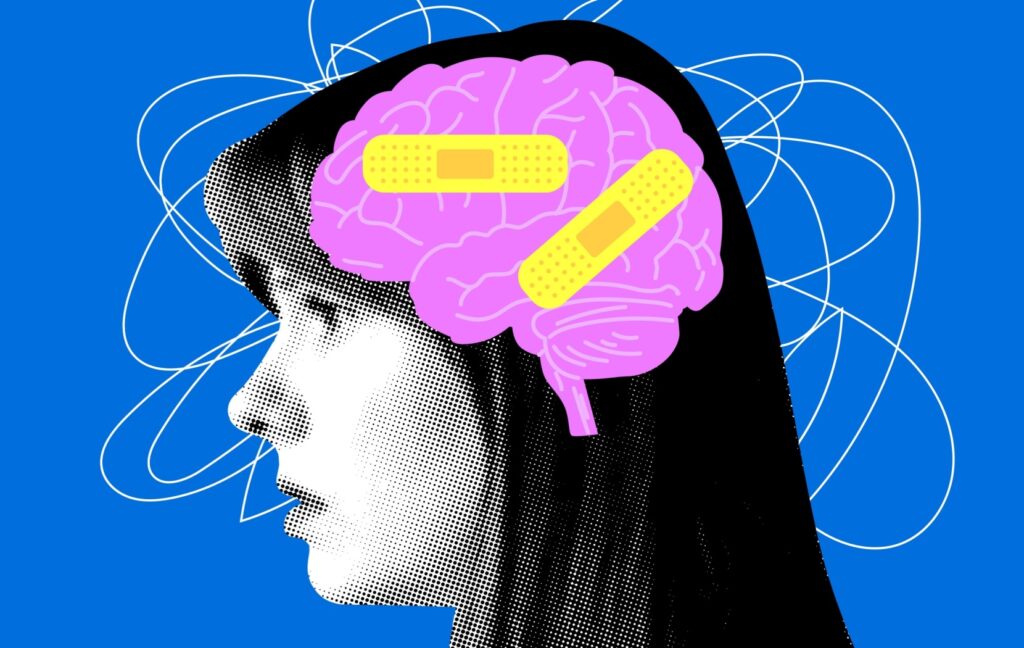
The Invisible Injury: When Your Eyes Refuse to Heal After a Concussion
In a city of athletes and active professionals like Houston and Sugar Land, concussions are more common than we’d like to admit. Whether it’s a sports collision, a car accident, or a simple slip, a Traumatic Brain Injury (TBI) can leave you with symptoms that simply won't quit: headaches, dizziness, "brain fog," and a debilitating sensitivity to light.Most people are told to "rest in a dark room" and wait. But for many, the "wait" never ends. This is because a concussion often disrupts the Autonomic Nervous System, leaving your brain stuck in a permanent state of "Fight or Flight."
At our specialized Medical Optometry clinics, we don't just wait. We use Syntonic Phototherapy to help "reboot" the system.
What is the Brain-Eye Connection?
Your eyes are literally an extension of your brain. Over 50% of the brain’s pathways are dedicated to vision and eye-teaming. When the brain is jarred, these delicate neural connections can become "mismatched." Even if your eyes are physically healthy, your brain can no longer process what they see correctly.Syntonics: Balancing the Autonomic Nervous System
As a Therapeutic Optometrist Downtown Houston, we use Syntonics (also known as optometric phototherapy) to treat the neurological source of your symptoms. By having a patient view specific frequencies of visible light, we can target the regulatory centers of the brain.The Sympathetic System (Fight or Flight): Often over-stimulated after a TBI, leading to light sensitivity and high anxiety.
The Parasympathetic System (Rest and Digest): Often suppressed, making it hard for the eyes to focus and the body to relax.
By applying specific colors of light (such as Alpha-Omega or Mu-Delta filters), we can expand a "constricted" visual field and bring these two systems back into Syntony (balance).
Common Post-Concussion Symptoms We Treat:
- Light Sensitivity (Photophobia): That "vampire" feeling where you can't stand the sun or office lights.
- Visual Snow: Seeing "static" or dots in your vision.
- Dizziness and Balance Issues: Often caused by a conflict between your inner ear and your eyes.
- Convergence Insufficiency: When your eyes can no longer "aim" at a book or screen without doubling or blurring.
The "Evolutionary" Rehab Protocol
At our Sugar Land, Webster, and Houston offices, concussion recovery is a multi-step process. We don't just look at a chart; we look at your life:- Binocular Vision Evaluation: We use infrared technology to track how your eyes move and identify the "glitches" in your tracking.
- Low-Level Light Therapy (LLLT): If your TBI has led to Chronic Dry Eye symptoms in Webster, we use LLLT to calm ocular surface inflammation, which often compounds concussion headaches.
- Performance Training: Once the system is balanced, we integrate Sports Vision & Performance drills to get you back to your pre-injury reaction speeds.
Why Not Just Use Sunglasses?
Many TBI patients hide behind dark sunglasses. While this provides temporary relief, it actually makes the brain more sensitive over time. Syntonics does the opposite: it trains the brain to process light efficiently again, allowing you to get back into the world.Conclusion: Don't Settle for a "New Normal"
A concussion is a significant medical event, but it doesn't have to be a permanent disability. If you are still "struggling to see" despite being told your eyes are fine, the answer is likely in your brain. Let’s start the healing process with a specialized neuro-visual evaluation.


WHERE TO FIND US Our Locations

© 2026 Evolutionary Eye Care . All Rights Reserved. Accessibility Statement - Privacy Policy - Sitemap
Powered by:

