


Why "Perfect" 20/20 Vision Can Blindside Someone Living with Diabetes
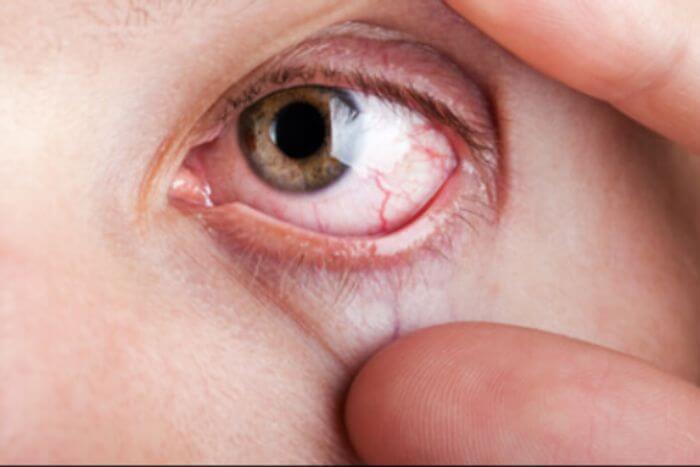
The Hidden Weakness: Why Your Daily Blood Sugar Affects Your Sight
For the millions of individuals managing diabetes or pre-diabetes across Downtown Houston, Sugar Land, and Webster, keeping track of A1C levels, finger pricks, and continuous glucose monitors is a second nature survival skill. Often, when these numbers are relatively stable and distance vision remains sharp, patients assume their eyes are perfectly safe.
However, at Evolutionary Eye Care, our medical eye evaluations frequently reveal a sobering truth: Diabetic Retinopathy is a silent disease.
High blood sugar doesn't start by blurring your vision. It starts by quietly destroying the microscopic, ultra-fragile blood vessels that supply oxygen to your retina. By the time you notice actual dark spots, floaters, or a smudge in your central sight, significant structural damage has already occurred.
The Patheology of Microvascular Leakage
The retina has the highest metabolic demand of any tissue in the human body, meaning it requires a non-stop, high-volume supply of oxygenated blood. To deliver this, it relies on a dense network of microscopic capillaries.
When blood glucose levels remain elevated, or even fluctuate aggressively, the chemical composition of the blood damages the structural walls of these capillaries.
This triggers a specific, multi-stage degradation process:
Microaneurysms: The weakened capillary walls begin to balloon outward like a tiny, thin-walled blister.
Retinal Hemorrhages: These fragile microaneurysms eventually rupture, leaking blood directly into the layers of the retina.
Macular Edema: If the leaking fluid pools in the macula—the center of your vision—the tissue swells like a waterlogged sponge. This causes a slow, distortion of your straight-ahead sight.
Proliferative Retinopathy: Starved for oxygen, the retina panics and secretes a growth hormone to build new blood vessels. However, these new vessels are highly abnormal, extremely fragile, and prone to massive bleeding, which can lead to sudden, severe vision loss or retinal traction.
Why a Standard Eye Chart Test Fails Diabetics
A routine eye checkup at a commercial retail chain or a quick screening at a primary care office only evaluates your visual acuity. It asks: Can you force your eyes to read the static letters at 20 feet?
Because early diabetic leaking typically starts in the mid-peripheral retina or causes subtle, microscopic swelling, you can maintain a flawless 20/20 score while your retinal blood vessels are actively failing.
The 2026 Early Interception Protocol
As a highly specialized Therapeutic Optometrist Downtown Houston, we don't wait for blood vessels to rupture. We utilize advanced biomapping to catch diabetic changes in their sub-clinical, reversible phases:
Optical Coherence Tomography (OCT): This non-invasive light scan provides a cross-sectional, microscopic view of your macular layers. It detects intraretinal fluid accumulation and thickening years before a doctor can see it manually with a lens.
Ultra-Widefield Retinal Imaging: We capture a high-definition, 200-degree digital map of your retina in a fraction of a second without uncomfortable bright lights. This allows us to track the absolute furthest edges of your vascular network for early microaneurysms.
Co-Managed Systemic Care: We generate comprehensive medical reports detailing your structural vascular health, sending them directly to your endocrinologist or primary care physician in Sugar Land or Webster to help fine-tune your glycemic control.
The Dry Eye and Nerve Complication
Diabetes is a systemic vascular and neurological condition. Over time, elevated glucose levels reduce the sensitivity of the corneal nerves. When these nerves lose their ability to sense evaporation, your brain stops signaling your eyelids to blink effectively, resulting in severe Chronic Dry Eye symptoms in Webster and Houston.
At our Dry Eye Center of Excellence Houston, we treat this diabetic nerve-dryness mismatch. We apply non-invasive Low-Level Light Therapy (LLLT) to stimulate cellular repair in the eyelids and clear blocked Meibomian glands. Restoring a healthy tear film prevents surface irritation from masking deeper retinal tracking issues.
Whether you are preserving your visual stamina for high-performance corporate leadership or maintaining your visual reflexes for Sports Vision & Performance, early retinal screening is your ultimate safeguard.
Conclusion: Protect the Back of Your Eye
Diabetic Retinopathy does not have to result in vision impairment. By moving past standard vision screenings and committing to an annual medical eye evaluation featuring structural cross-sectional imaging, you can intercept microvascular shifts at their earliest stage, protect your delicate retina, and maintain your absolute visual independence.


WHERE TO FIND US Our Locations

© 2026 Evolutionary Eye Care . All Rights Reserved. Accessibility Statement - Privacy Policy - Sitemap
Powered by:

