


Why Your Recurring "Eye Allergies" Might Actually Be Microscopic Mites Living in Your Eyelashes
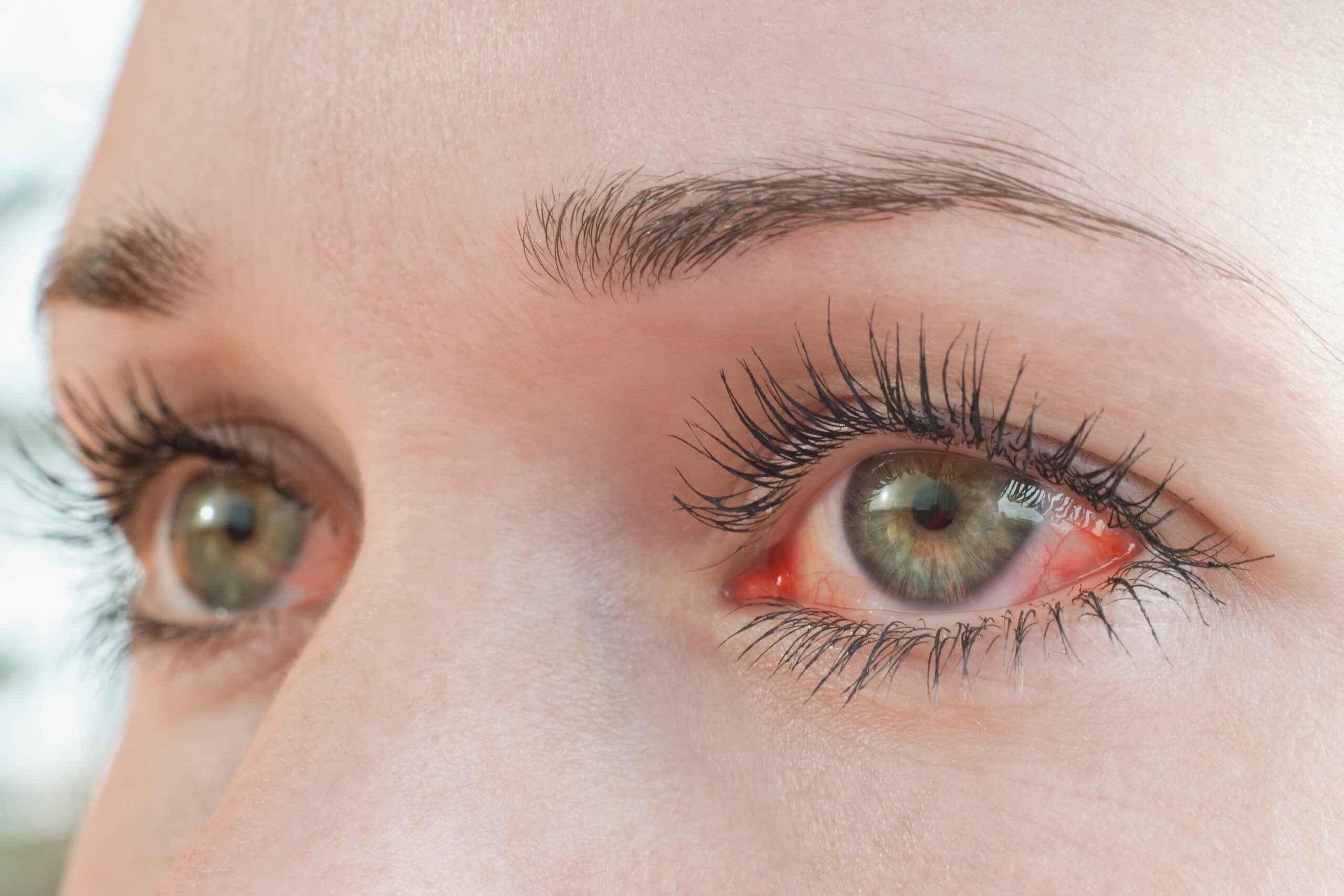
The Allergy Delusion: When Antihistamines Don't Stop the Itch
If you live in Downtown Houston, Sugar Land, or Webster, you know the struggle. You wake up, glance in the mirror, and your eyelids are puffy, red, and crusty right at the base of your lashes. Your eyes itch and sting, and it feels like there's always sand in them.
Houston’s pollen count is notorious, so it’s natural to blame allergies. You grab antihistamine drops, down allergy meds, splash your face with cold water—anything for relief.
But nothing works. In fact, those antihistamine drops just dry out your eyes and leave the redness and irritation along your lids untouched.
At Evolutionary Eye Care, we see this all the time. The true troublemakers? Ocular Rosacea and Demodex Blepharitis.
Why It’s Not Just Allergies
Solving chronic eyelid irritation means looking past pollen. Usually, there are two overlapping causes:
1. Ocular Rosacea
Most people think of rosacea as bright red cheeks and noses. But over half of people with facial rosacea also get Ocular Rosacea. The tiny blood vessels along your eyelids become inflamed, leaking chemicals into your tears. This messes up the oil glands in your lids, ruining the part of your tears that keeps your eyes moist.
2. Demodex Blepharitis (Eyelash Mites)
These microscopic mites called Demodex naturally live on us, hanging out in hair follicles and oil glands. But when they overgrow, you end up with big problems—itching, burning, inflammation, and weird waxy “cuffs” at the base of your lashes (doctors call these collarettes). The mites block oil glands, which only ramps up discomfort and keeps your eyelids irritated.
Why Old Remedies Fall Short
Doctors used to recommend baby shampoo or warm washcloths for lid scrubs, but by 2026, we know that baby shampoo just strips your natural oils, dries your eyes, and doesn’t touch Demodex or rosacea at all. Ordinary soap and water are no match for these mites—you need something stronger and more targeted.
How We Actually Fix It
At our clinics, we’ve built a step-by-step protocol to fight both eyelash mites and rosacea:
- Targeted Anti-Parasitic Drops: Prescription Lotilaner Ophthalmic Solution wipes out Demodex at the source—right in the lash follicles.
- Microblepharoexfoliation: With BlephEx®, we gently clean away collarettes, bacteria, and sticky film from your lash line.
- Low-Level Light Therapy (LLLT): Special light warms up the oil in your lids, cools down blood vessels, and helps your eyes heal.
Restoring the Balance
Clearing the mites and inflammation is only half the battle. The bigger goal is to restore a healthy tear layer. Left alone, rosacea and Demodex wreck your oil glands and cause chronic dry eye.
By clearing the oil pathways and calming inflammation, your tears stay on your eyes where they belong—so they’re comfortable and clear all day. This is crucial for anyone working at screens, wearing specialty lenses, or athletes relying on sharp vision.
Why You Need a Medical Eye Exam
A basic eye chart test misses all of this. Only a full medical eye exam with high-magnification tools can spot Demodex collarettes and micro-rosacea. We check the roots of your lashes, look for hidden crusts, and map out the health of your oil glands using infrared meibography.
Bottom Line: You Don’t Have to Suffer
That stubborn morning crust, itchy lids, and red eyes aren’t just something you have to accept or blame on Houston’s allergies. Ocular Rosacea and Demodex Blepharitis are real, treatable problems. With prescription drops, expert cleaning, and focused light therapy, you can finally get relief and wake up to white, healthy eyes—every single day.


WHERE TO FIND US Our Locations

© 2026 Evolutionary Eye Care . All Rights Reserved. Accessibility Statement - Privacy Policy - Sitemap
Powered by:

