


Why Your Child's iPad Is Physically Changing the Shape of Their Eyeballs
The Elongating Eye: How Modern Screens are Reshaping Pediatric Vision
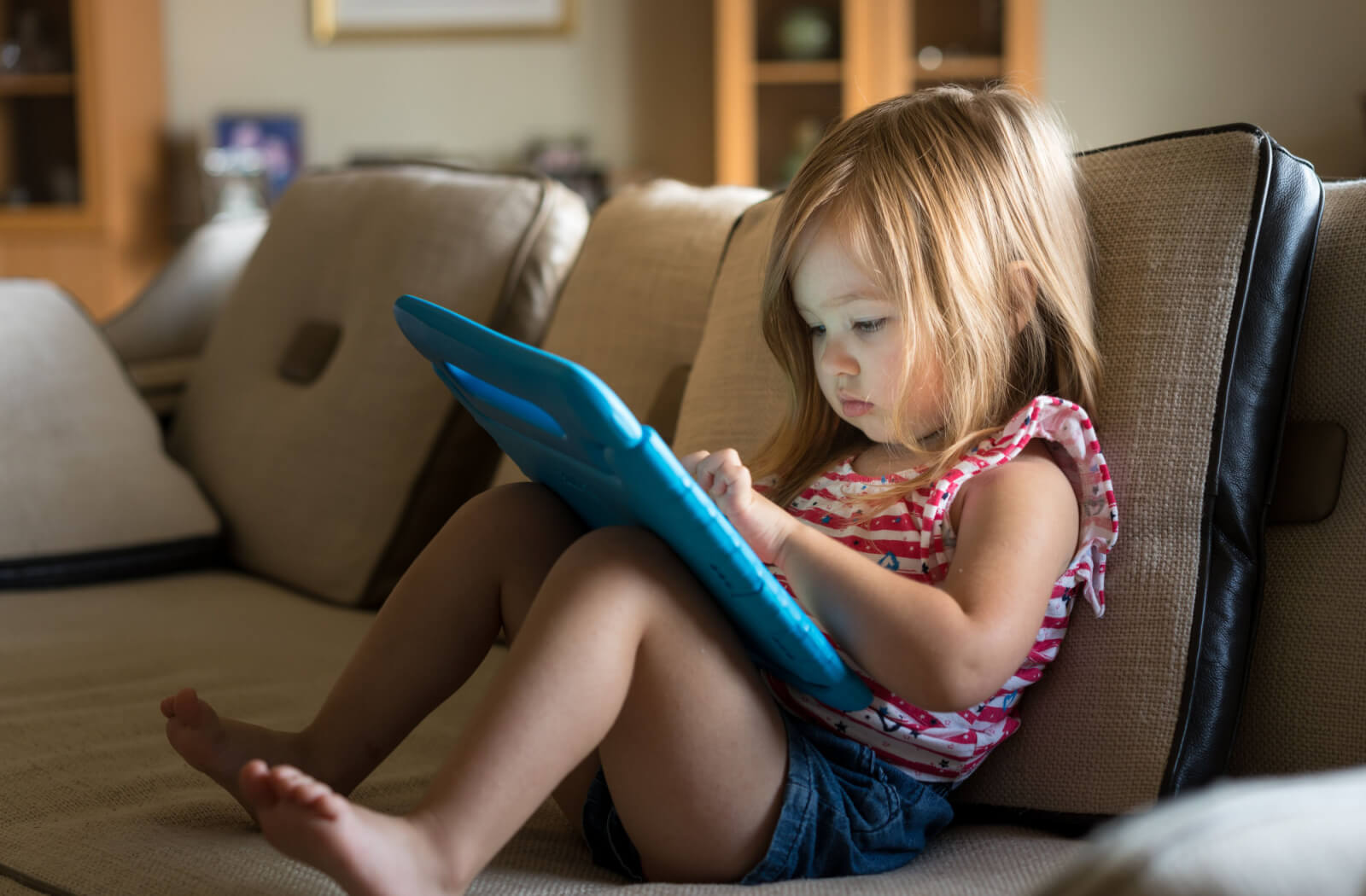
As we move through the first week of June 2026, a familiar scene is playing out in homes across Sugar Land, Downtown Houston, and Webster: children are deeply absorbed in tablets, laptops, and smartphones. While these digital tools are now foundational to modern education, they are driving a quiet health crisis. Many parents assume that genetics entirely dictate whether a child needs glasses, but our clinical teams are treating an unprecedented spike in pediatric nearsightedness (Myopia) caused by near-work environmental strain.
The medical reality is staggering: staring at close-up screens for hours without a break can physically force a child?s developing eyeball to grow too long from front to back.
The Physics of Myopia Progression
When a child focuses on a nearby screen, the internal muscles of the eye contract. Over time, continuous near-focusing tells the brain that the eye needs to adapt specifically for near-point tasks. The brain complies by signaling the eyeball to stretch and elongate.- The Side Effect: As the eyeball stretches, distance vision becomes increasingly blurry. The child becomes trapped in a loop, requiring stronger glasses every single year.
- The Long-Term Risk: Rapid eye elongation isn't just about thick lenses. A stretched eyeball pulls on the delicate retina, drastically increasing the lifetime medical risk for retinal detachment, glaucoma, and macular degeneration.
Why Standard Glasses Can Exacerbate the Problem
Traditional single-vision glasses correct blurred distance sight, but they do nothing to slow down the underlying elongation of the eye. In fact, standard lenses can sometimes cause "peripheral hyperopic defocus"?a type of peripheral blur that inadvertently encourages the eyeball to grow even longer.
The Evolutionary Strategy: Active Myopia Management
As specialized Therapeutic Optometrists in Downtown Houston, we don't just patch the symptom; we intervene to stop the structural progression. Our advanced 2026 protocols include:1. Ortho-K (Orthokeratology) Nighttime Molds
Ortho-K is a game-changer for active kids in Sugar Land and Houston. Your child wears specialized, oxygen-permeable therapeutic molds only while they sleep. These molds gently reshape the microscopic top layer of the cornea overnight. In the morning, the lenses are removed, and the child enjoys 20/20 vision all day without glasses or daytime contacts. Crucially, Ortho-K redirects peripheral light, telling the brain to stop stretching the eyeball.
2. Custom Low-Dose Atropine Therapy
For some children, we prescribe gentle, compounded eye drops applied at bedtime. This pharmaceutical approach relaxes the eye's internal focusing mechanism, safely halting the signals that trigger rapid prescription changes.
3. Pediatric LLLT for Digital Fatigue
Screen time reduces a child?s blink rate by up to 60%. At our Dry Eye Center of Excellence Houston, we apply non-invasive Low-Level Light Therapy (LLLT) to soothe pediatric eyelid inflammation, ensuring their physical comfort matches their visual clarity.
Precision Mapping: The Axial Length Scan
A routine vision test checks if a child can see the board, but a Medical Eye Exam at Evolutionary Eye Care measures Axial Length. Using ultra-precise lasers, we map the length of the eyeball down to the millimeter. This allows us to track growth over time and prove exactly how well our myopia management protocols are working.Conclusion: Changing the Trajectory of Sight
You cannot eliminate digital screens, but you can change how your child?s eyes respond to them. By intervening early with advanced tools like Ortho-K, you can preserve their natural eye health and prevent their prescription from spiraling out of control. Let's protect their vision for the future.


WHERE TO FIND US Our Locations

© 2026 Evolutionary Eye Care . All Rights Reserved. Accessibility Statement - Privacy Policy - Sitemap
Powered by:

