


Why "Blind Spots" After a Stroke Aren't an Eye Problem (And How Your Brain Can Learn to See Side Traffic Again)
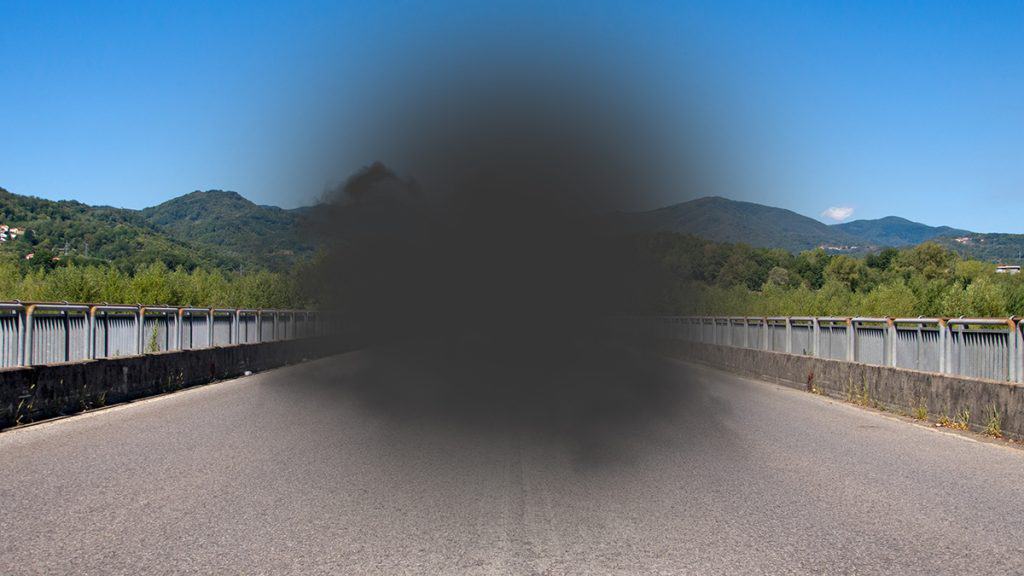
The Disappearing Side: When Half Your World Goes Dark
If you've ever had a stroke or brain injury, you know it's not just about surviving the immediate crisis. You get through the hospital stay. You go back home to Sugar Land, Webster, or Houston. Then you start rehab, hoping things will fall back into place. But something feels way off. You’re walking around your house, but you keep running your left shoulder into doorframes. Family members make you jump because they come up on one side without you noticing. You look down, and half your dinner’s still there because you only ate the right side of your plate.
Reading becomes strange. Sentences start halfway through the page, or words fly off the right edge before you even get a chance to see them. You go for an eye exam, half-expecting the worst, but everything checks out. Your corneas are clear, your retinas look great, and you can even read the tiniest line on the chart. So why does half your world keep falling away?
At Evolutionary Eye Care, we meet people in your shoes every week. Having “perfect” eyes but missing a chunk of your view is terrifying. The thing is, your eyes aren’t the problem—it's the stroke that hijacked your brain’s visual processing, leading to Homonymous Hemianopia or Visual Spatial Neglect.
Understanding Homonymous Hemianopia
The brain splits everything you see into two. Each half gets processed along different highways and lands in the back of your brain, in the occipital lobe. The left pathway handles the left half of your view, the right does the right. If a stroke or injury damages one side, your brain loses access to the visual world on the opposite side. That’s Homonymous Hemianopia—one half of your visual field, just gone.
For instance, when a stroke hits the right side of your occipital lobe, your brain can’t process anything from the left side of your world. You don’t just lose vision in one eye—it’s the whole left view in both eyes.
Homonymous Hemianopia vs. Visual Spatial Neglect
Not all vision loss is created equal. Sometimes it’s true sensory loss—Homonymous Hemianopia. Other times, your eyes work fine and your brain just ignores one side (Visual Spatial Neglect). Here's how you can tell the difference:
- In Homonymous Hemianopia, you know you’re missing something. You turn your head to find it.
- In Visual Spatial Neglect, you don’t even know the missing side exists, so you don’t bother to look for it.
How We Push Back: The 2026 Neuro-Optometric Protocol
Standard glasses won’t fix dead brain cells, but they aren’t the end of the story. We use advanced optics and neuro-rehab to reroute some of the lost visual information.
1. Peripheral Expansion Prisms (Peli Lens™ System)
We don’t slap a prism across the whole lens. Instead, we place slim micro-prisms at the top and bottom corners of your glasses, on the side you can’t see out of. These grab images from your blind side and bend them into the vision you have left, showing you “ghost shapes” from your blind spot. They act like an early warning system—suddenly movement from your blind side isn’t such a surprise.
2. Dynamic Saccadic Scanning Therapy
We train your eyes to make quick, confident jumps toward your blind side. Using pattern grids on a screen, you relearn how to scan into missing areas before taking a step or changing direction.
3. Micro-Prism Alignment for Post-Stroke Eye Turns
Stroke can mess with the muscles that control your eyes, causing them to drift off target. We build micro-prisms right into your daily glasses, which line things back up and help get rid of double vision and dizziness.
The Extra Challenge: Fatigue and Dry Eye
Trying to navigate with half a visual field is exhausting. Every step takes real effort, and your concentration goes through the roof. As you hyper-focus, you blink less, and your eyes dry out—fast. Chronic Dry Eye shows up with a vengeance, and blurry vision slows down your rehab even more.
We cover this too. At our Dry Eye Center of Excellence in Houston, we use non-invasive Low-Level Light Therapy (LLLT) to open up blocked oil glands and soothe inflamed eyelids. Keeping your eyes healthy gives your prisms the best chance to work.
Your Visual Map Matters
It doesn’t matter if you’re rebuilding your everyday independence, trying to get back on the field for sports, or need specialty lenses—having a steady, secure map of the world is key.
Why Eye Charts Aren’t Enough
You can read 20/20 all day if the letters land in the right spot. But that doesn’t mean you see everything. That’s why our Medical Eye Exams go further. We use machines like the Humphrey Visual Field test to map exactly where your vision starts and ends, along with special checks on how steady and aligned your eyes are.
Start Expanding Your World
Losing half your visual field after a stroke or brain injury flips your world upside down, but you don’t have to stay trapped. Homonymous Hemianopia is a tough obstacle, but it’s not unbeatable. With side-expanding prism lenses, eye movement training, and the right eye surface treatments, you can start detecting hazards early, get around safely, and earn back your independence.


WHERE TO FIND US Our Locations

© 2026 Evolutionary Eye Care . All Rights Reserved. Accessibility Statement - Privacy Policy - Sitemap
Powered by:

