


The "Gaze Secret" of Master Presenters (How to Stop "Blanking Out" During Big Meetings)
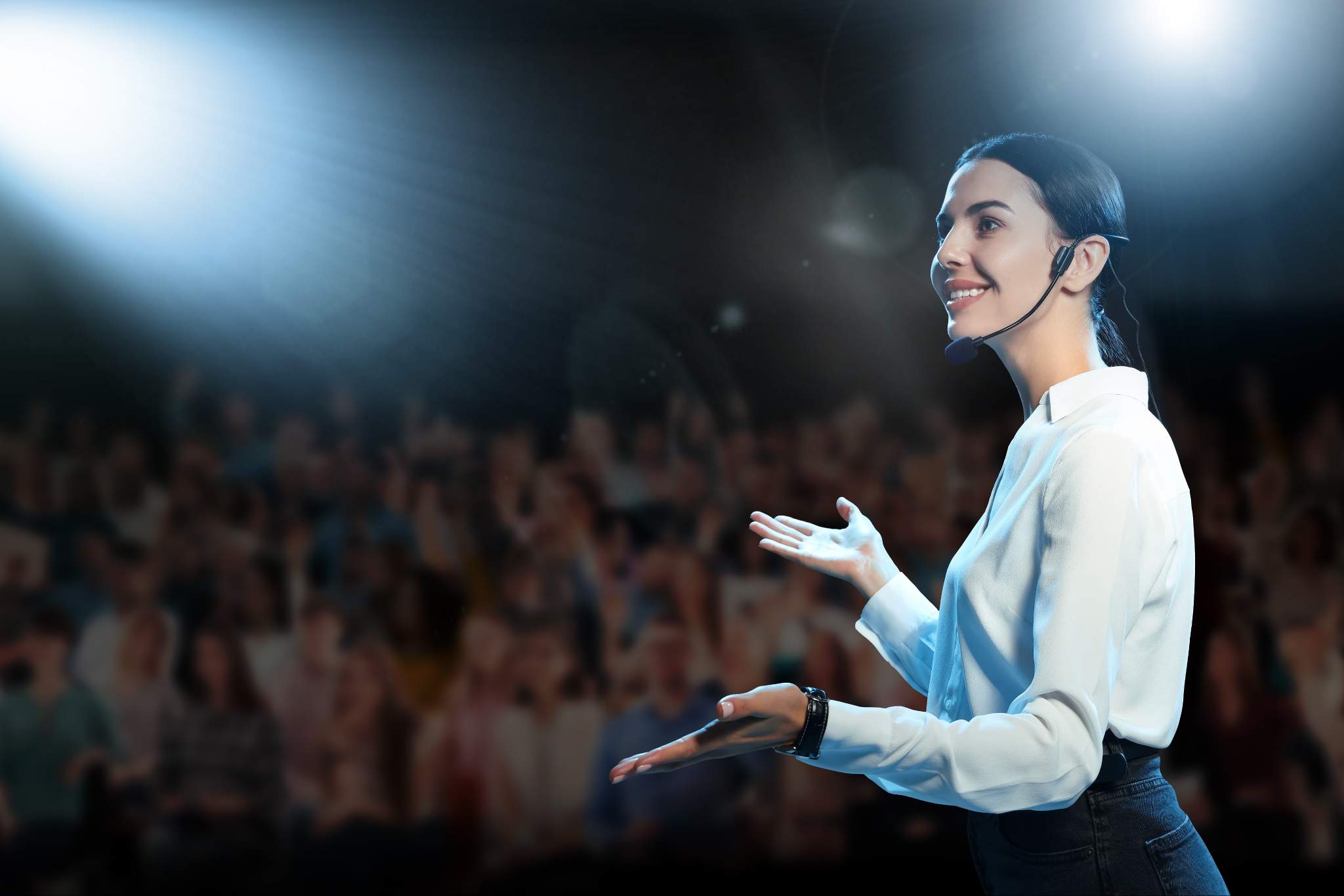
Whether you’re presenting in a Downtown Houston boardroom or speaking at an event in Sugar Land, stage fright can feel overwhelming. Your heart races, your thoughts scatter, and suddenly it becomes difficult to stay focused. But what many people don’t realize is that performance anxiety isn’t just mental—it’s also visual. At Evolutionary Eye Care, we study how the visual system influences confidence, focus, and communication under pressure through a concept known as the Quiet Eye. In sports performance research, elite athletes use a technique called the Quiet Eye—the ability to maintain a stable, controlled gaze before and during high-pressure moments. The same principle applies to public speaking and leadership. Under stress, the eyes often begin making rapid, unstable movements. This “visual scanning” signals the brain that something is wrong, increasing the body’s stress response and making it harder to think clearly. Confident speakers tend to maintain calmer, more intentional eye movements. A steady gaze helps regulate the nervous system, allowing the brain to stay focused and composed. As part of our Sports Vision & Performance approach, we use therapies designed to improve gaze control, visual comfort, and neurological balance. Specific light frequencies may help support relaxation and visual system regulation, especially for patients experiencing stress-related visual fatigue. Visual training exercises can improve fixation stability and help the eyes remain steady under pressure. If the eyes are not working together efficiently, the brain must work harder to maintain focus. Addressing subtle alignment or coordination issues can reduce visual strain and improve overall visual performance. Dry, irritated eyes can make someone appear more anxious or distracted during presentations and conversations. At Evolutionary Eye Care, we also address ocular surface health through therapies like Low-Level Light Therapy (LLLT) to help reduce dryness and improve comfort—especially for professionals spending long hours in air-conditioned environments. A routine vision test measures how clearly you see. A functional visual evaluation looks at how your eyes behave under stress, focus, and movement. Using tools like eye-tracking analysis and binocular vision testing, we can evaluate visual efficiency and identify patterns that may affect confidence, concentration, and performance. Public speaking, leadership, and performance all rely on visual control. When the eyes become calmer and more stable, the nervous system often follows. By improving visual comfort, gaze stability, and visual coordination, many people find it easier to stay focused, communicate clearly, and feel more confident under pressure. From Downtown Houston to Sugar Land and Webster, Evolutionary Eye Care helps patients strengthen not just how they see—but how they perform.The Visual Root of Stage Fright: Why Your Eyes “Freeze” Under Pressure
What Is the “Quiet Eye”?
When Anxiety Takes Over
When Vision Stays Stable
Training Visual Confidence
Syntonic Phototherapy
Gaze Stability Exercises
Binocular Vision Assessment
Comfort Matters More Than You Think
Beyond a Routine Eye Exam
Your Eyes Influence Your Presence


WHERE TO FIND US Our Locations

© 2026 Evolutionary Eye Care . All Rights Reserved. Accessibility Statement - Privacy Policy - Sitemap
Powered by:

