
Sports Vision & Quiet Eye Training
Visual skills are one part of sporting performance
Clear vision, appropriate correction and eye protection can matter during sport. Performance also depends on practice, coaching, physical ability and many other factors. An eye examination can identify a vision problem; it cannot predict or guarantee athletic improvement.
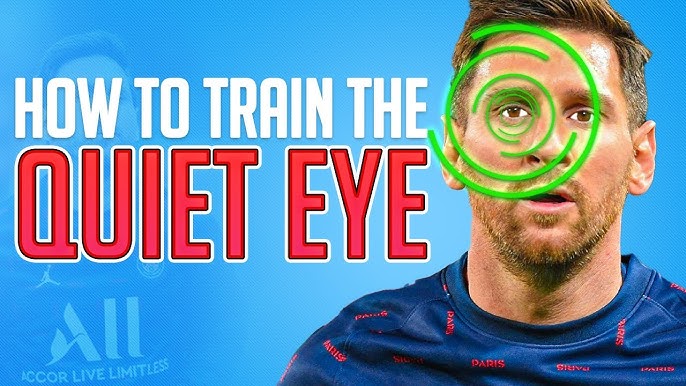
Understanding quiet-eye training
The quiet-eye period is a gaze fixation studied around particular sporting actions. A meta-analysis reported associations between gaze behavior and performance, and effects in training studies. Its results concern the tasks and participants studied, not every sport, athlete or clinic program.
Separate treatment from performance claims
Treating a diagnosed focusing or eye-teaming problem is different from offering training to enhance a healthy athlete's performance. Ask what the program is intended to change, whether there is evidence for your sport and how progress will be assessed.
Keep safety in the plan
Contact lenses do not protect against eye injury. Discuss suitable protective eyewear for your activity. Sudden double vision, pain or a vision change after an impact needs prompt medical assessment rather than training exercises.
Medical evidence and important limits
Evidence must match the diagnosis and outcome. In the NIH-funded CITT-ART trial, treatment improved clinical convergence measures in children with convergence insufficiency but did not improve standardized reading scores more than placebo. This is not evidence that vision training treats dyslexia or ADHD, or guarantees academic or cognitive improvement.
A quiet-eye meta-analysis reported effects in the sporting tasks studied. Those results should not be generalized into promises about every sport, a particular clinic program, executive performance or public-speaking confidence.
Sources for these clinical explanations
- NIH: convergence-insufficiency treatment and reading outcomes
- Quiet Eye and Performance in Sport: a meta-analysis
These references support the general explanations above; they do not verify practice-specific outcomes or guarantee results. This educational article is not a diagnosis or a substitute for an individual examination.


