
Vision for Tennis & Pickleball
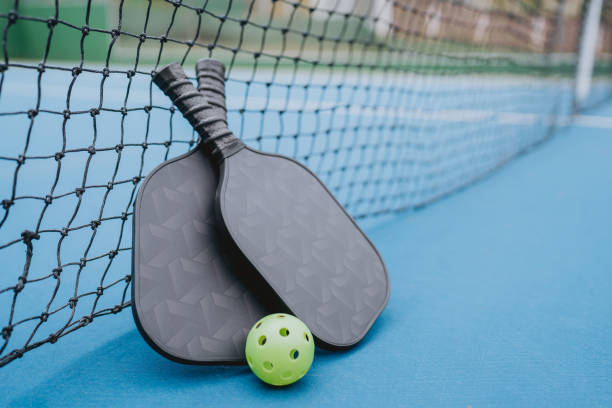
Vision demands in tennis and pickleball
Tracking a moving ball and judging distance place demands on vision. Difficulty seeing the ball or symptoms during play may justify an eye examination, but missed shots alone do not diagnose an eye condition.
Start with correction and eye health
Review your prescription, comfort and eye protection with your clinician. Contact-lens suitability depends on the individual; no lens option guarantees better reaction time or sporting results. Contact lenses are not protective eyewear.
Applying quiet-eye research carefully
Studies have examined gaze behavior and training in selected sporting tasks. A meta-analysis found performance effects in the studies it included, but this does not establish a guaranteed benefit for a particular tennis or pickleball player, or validate every clinic training program.
Questions before starting training
Ask whether the plan treats a diagnosed visual problem or targets sporting performance, what evidence applies to your activity and which outcomes will be measured. Discuss any persistent symptoms before relying on a training program.
Medical evidence and important limits
Evidence must match the diagnosis and outcome. In the NIH-funded CITT-ART trial, treatment improved clinical convergence measures in children with convergence insufficiency but did not improve standardized reading scores more than placebo. This is not evidence that vision training treats dyslexia or ADHD, or guarantees academic or cognitive improvement.
A quiet-eye meta-analysis reported effects in the sporting tasks studied. Those results should not be generalized into promises about every sport, a particular clinic program, executive performance or public-speaking confidence.
Sources for these clinical explanations
- NIH: convergence-insufficiency treatment and reading outcomes
- Quiet Eye and Performance in Sport: a meta-analysis
These references support the general explanations above; they do not verify practice-specific outcomes or guarantee results. This educational article is not a diagnosis or a substitute for an individual examination.


