
What Are the Advantages of Mini-Scleral Lenses Over Traditional Scleral Lenses?
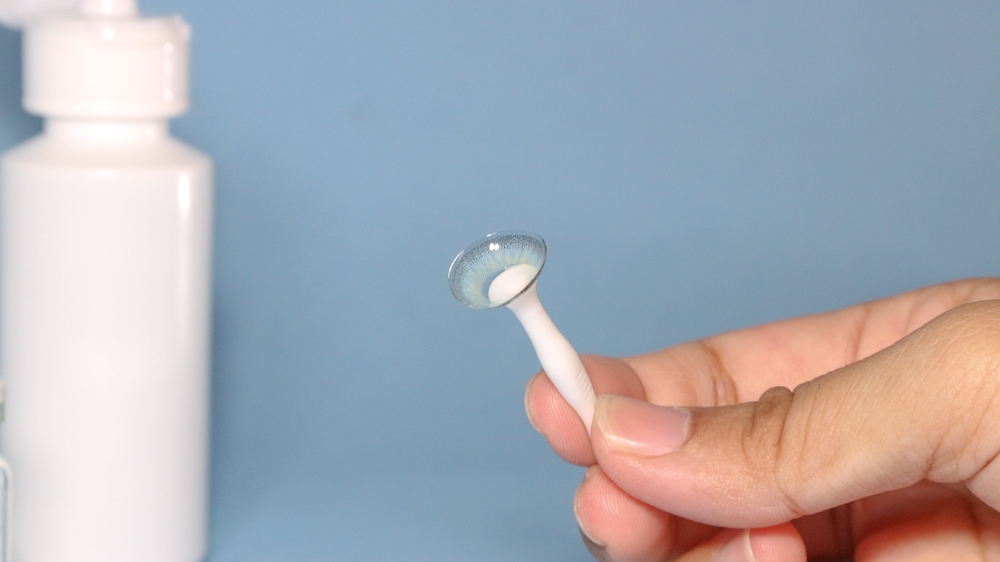
Scleral lenses are popular because of their comfort and ability to help individuals with irregular or dry eyes. Recently, a smaller version called mini-scleral lenses has gained attention.
Both types of lenses rest on the white part of the eye, called the sclera, rather than directly on the cornea. This creates a fluid-filled space over the cornea that cushions and protects it. Mini-scleral lenses are smaller than traditional scleral lenses. They cover less of the sclera and partly rest on the cornea.
Advantages of Mini-Scleral Lenses
Here is a look at why mini-scleral lenses often have the edge over traditional scleral lenses:
- More Comfortable Fit: Because they are smaller, mini-scleral lenses tend to feel lighter on your eyes. Many people say they hardly notice them once they get used to wearing them. This reduced lens awareness helps people wear them comfortably for longer periods.
- Better Tear Exchange: Mini-scleral lenses cover a smaller portion of the eye. This allows more natural tear flow underneath. The improved tear exchange keeps your eyes moist and refreshed, leading to reduced dryness and irritation.
- Improved Oxygen Flow: Oxygen is vital for healthy eyes, especially the cornea. Smaller lenses allow more oxygen to reach your eyes. Improved oxygen flow reduces redness and dryness, resulting in healthier eyes.
- Easier Handling: Because they are smaller and lighter, they are easier to insert and remove. They are ideal for beginners or anyone who finds larger lenses cumbersome. Easier handling also means less frustration and more confidence when inserting or removing.
- Less Pressure on Eye Tissue: Their size means less contact with the conjunctiva, the thin membrane covering the sclera. This lowers the chance of irritation and discomfort during wear.
- More Stable Vision: Mini-scleral lenses often move less when you blink or look around. This stability provides a clearer and more consistent vision throughout the day.
- Shorter Fitting Process: Their size and design typically result in a quicker and less complex fitting process. This saves time and reduces the need for visits to the eye doctor.
- Suitable for Longer Wear Times: Many users find mini-scleral lenses comfortable enough to wear for extended hours. This suits busy schedules, long workdays, or social events. This is because removing lenses frequently is inconvenient.
- Great for Mild to Moderate Corneal Irregularities: Mini-scleral lenses are well-suited for many individuals with mild to moderate corneal issues. They offer a good balance of coverage and comfort without the bulk typically associated with traditional lenses.
- Lightweight and Natural Feel: Because mini-scleral lenses are lighter, they feel more natural on your eyes.
Who Should Consider Mini-Scleral Lenses?
If you want the benefits of scleral lenses but prefer something smaller and easier to wear, mini-scleral lenses might be your best choice. They are often recommended for new scleral lens users or those with mild corneal conditions.
If you have severe corneal irregularities, traditional scleral lenses might still be the better option. This is because they offer full coverage and support.
Caring for Mini-Scleral Lenses
Proper care is important to keep your lenses comfortable and your eyes healthy. Clean your lenses daily with the recommended solutions. Always use sterile saline to fill the lenses before insertion to maintain moisture. Avoid tap water or homemade cleaning solutions, as they can cause infections. Please store your lenses in a clean case and replace them regularly.
For more on mini-scleral lenses, visit Evolutionary Eye Care at our Sugar Land, Webster, or Houston, Texas, offices. Call (281) 545-4901, (281) 338-1919, or (713) 658-8301 to schedule an appointment today.
https://www.vision-institute.com/scleral-lenses-vs-traditional-contact-lenses-pros-and-cons/
Medical evidence and important limits
For keratoconus, improving vision and slowing disease progression are different goals. Specialty lenses may improve vision; they do not stop progression. Cross-linking may be considered for progressive disease after specialist assessment. See Mayo Clinic’s treatment guidance.
Contact lenses can cause serious infection or corneal ulcers. Follow the prescribed wear and cleaning plan, avoid water exposure and keep follow-up appointments. With pain, unusual redness, light sensitivity or blurred vision, remove the lenses and seek prompt professional advice. FDA contact-lens safety guidance.
Sources for these clinical explanations
These references support the general explanations above; they do not verify practice-specific outcomes or guarantee results. This educational article is not a diagnosis or a substitute for an individual examination.
Explore your care options in Greater Houston
Read about our optometrists and their training, then contact your preferred office to confirm service availability and arrange an evaluation: Downtown Houston, Webster or Sugar Land.


